
How Does A Pouch Labeling Machine Help Automate Packaging Processes?
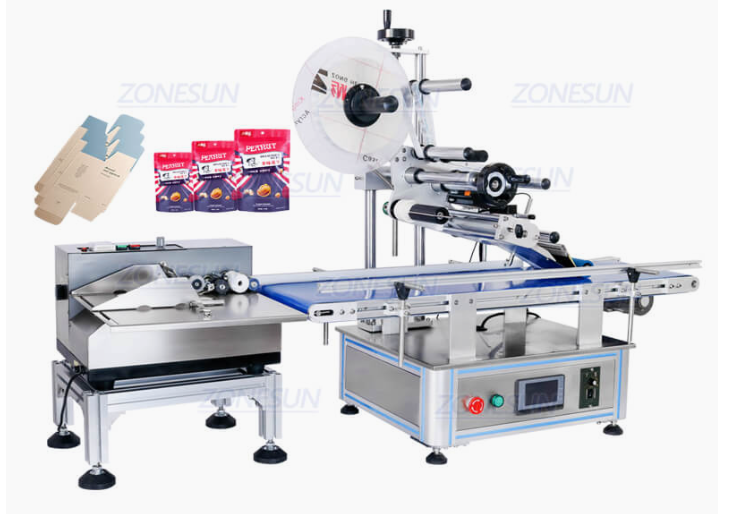
In modern manufacturing, automation plays a crucial role in improving productivity and maintaining consistent product quality. A pouch labeling machine is a key component in streamlining packaging operations for industries such as food, pharmaceuticals, cosmetics, and consumer goods. By automating the labeling process, this machine not only increases efficiency but also reduces labor costs, material waste, and human errors, providing a reliable solution for high-volume production environments. The integration of a pouch labeling machine in packaging lines ensures that companies can maintain speed and accuracy while supporting diverse product lines.
The Role of a Pouch Labeling Machine in Automation
l Streamlining the Labeling Process
A pouch labeling machine significantly accelerates the labeling process compared to manual operations. Manual labeling is often time-consuming and inconsistent, especially for high-volume production. By automating the task, the machine guarantees that each pouch receives a precisely aligned label, reducing errors and rework. This not only saves time but also allows production staff to focus on monitoring other aspects of the packaging line, ensuring smooth workflow and increased overall output.
l Integration With Other Packaging Equipment
Modern pouch labeling machines are designed to integrate seamlessly with filling, sealing, and conveyor systems. This integration enables the creation of a fully automated production line where multiple processes work in sync. By coordinating labeling with other packaging steps, the machine reduces downtime between processes and ensures a continuous flow of products. Consequently, manufacturers benefit from a more streamlined production process with higher productivity and lower running costs.
Advantages of a Pouch Labeling Machine in Production
l Accuracy and Error Reduction
One of the most significant benefits of a pouch labeling machine is its ability to maintain consistent label placement. Misaligned or crooked labels can result in product rejection or additional labor to correct errors. Automated labeling ensures uniformity across all units, minimizing waste of pouches and labels while maintaining brand standards. Accurate labeling also ensures compliance with regulatory requirements, which is especially critical for pharmaceuticals and food products.
l Handling High-Volume Operations
High-volume production demands machines that can operate reliably over long periods. A pouch labeling machine can handle hundreds or thousands of pouches per hour, maintaining consistent performance. This capacity allows manufacturers to meet strict deadlines and respond to market demand without increasing labor costs. The machine’s efficiency ensures cost-effective production and supports scalability for growing business needs.
l Flexibility and Adaptability
Many pouch labeling machines are versatile, capable of accommodating different pouch sizes, shapes, and label types. Quick adjustments make it possible to switch between product lines with minimal downtime. This adaptability ensures that manufacturers can manage multiple SKUs efficiently without compromising labeling speed or accuracy.
Extended Benefits Beyond Automation
l Workflow Optimization
The use of a pouch labeling machine enhances the overall workflow by integrating seamlessly with other packaging operations. Automated monitoring and control allow operators to track production in real-time, quickly addressing any disruptions. Streamlined processes reduce bottlenecks and improve operational predictability, which is crucial for consistent quality and timely order fulfillment.
l Cost Efficiency and Sustainability
Investing in a pouch labeling machine reduces labor costs, minimizes material waste, and increases production speed, directly lowering the cost per unit. Furthermore, by reducing mislabeling and defective products, the machine supports sustainability efforts, minimizing wasted packaging materials and energy consumption. Efficient labeling processes also contribute to a cleaner, more organized production environment.
Conclusion
A pouch labeling machine is a vital tool for automating packaging processes. Its integration in modern production lines brings multiple advantages, including streamlined operations, precise labeling, high-volume handling, and workflow optimization. Beyond automation, these machines help reduce operational costs, improve product quality, and support sustainability initiatives. Companies that implement a pouch labeling machine can achieve faster, more reliable, and scalable packaging operations, positioning themselves competitively in today’s demanding market.