
Modern Threat Detection Strategies for 2026
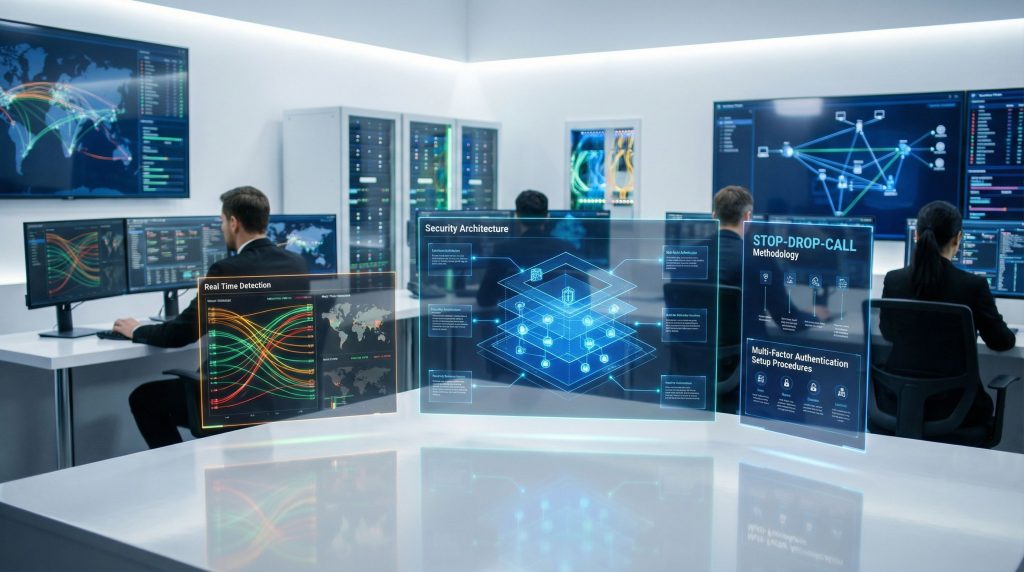
Cybersecurity has entered a new era where traditional security tools are no longer enough to stop advanced digital attacks. In 2026, cybercriminals are using artificial intelligence, automation, and highly sophisticated techniques to bypass defenses. Organizations must now adopt proactive, intelligent, and adaptive security systems to stay protected. Modern threat detection is no longer just about identifying malware—it is about understanding behavior, predicting attacks, and responding in real time before damage occurs.
Today’s enterprises rely on advanced systems that combine artificial intelligence, machine learning, and cloud-based intelligence to detect threats faster than ever before. The focus has shifted from reactive defense to predictive and preventive security models.
AI-Powered Threat Detection Systems
Artificial intelligence has become the backbone of modern cybersecurity. AI-driven security platforms analyze billions of events per second to identify abnormal behavior patterns that humans cannot detect manually.
Leading companies like Microsoft have integrated AI into their security ecosystem to provide real-time threat analysis and automated response systems. Similarly, CrowdStrike uses machine learning to detect endpoint threats by analyzing behavioral indicators instead of relying solely on signature-based detection.
AI systems are particularly effective against zero-day attacks because they can identify unusual activity even when no known malware signature exists. This makes AI essential for modern enterprise defense strategies.
Zero Trust Architecture as a Core Security Model
Zero Trust has become a foundational strategy in 2026 cybersecurity frameworks. The principle is simple: never trust any user or device by default, even if they are inside the network perimeter.
Organizations like Google Cloud have fully embraced Zero Trust architecture to secure cloud environments and distributed systems. Every access request is continuously verified based on identity, device health, and behavior patterns.
This approach significantly reduces the risk of internal threats and credential-based attacks, which are among the most common causes of data breaches today.
Behavioral Analytics for Advanced Threat Detection
Behavioral analytics has transformed how organizations detect suspicious activity. Instead of focusing only on known threats, security systems now monitor user behavior, system activity, and network patterns.
If a user suddenly downloads large volumes of sensitive data or logs in from an unusual location, the system automatically flags the activity as suspicious. This proactive approach helps detect insider threats and compromised accounts early.
Platforms such as IBM Security solutions use behavioral analytics to build baseline activity profiles for users and systems, making anomaly detection far more accurate and reliable.
Cloud-Native Security and SIEM Evolution
As businesses continue migrating to cloud environments, traditional security systems are being replaced by cloud-native Security Information and Event Management (SIEM) solutions.
Modern SIEM platforms collect and analyze logs from multiple sources including applications, endpoints, cloud workloads, and IoT devices. These systems provide centralized visibility into the entire digital ecosystem.
Palo Alto Networks has developed advanced cloud security platforms that integrate threat intelligence and automated response capabilities. These tools allow security teams to respond to threats in seconds rather than hours.
Cloud-native security ensures scalability, flexibility, and real-time visibility, which are critical in today’s fast-changing threat landscape.
The Role of Threat Intelligence in 2026
Threat intelligence plays a crucial role in modern defense strategies. It involves collecting and analyzing data about current and emerging cyber threats to anticipate attacks before they occur.
Organizations now use global threat intelligence feeds that aggregate data from millions of endpoints worldwide. This helps identify attack patterns, malicious IP addresses, and emerging vulnerabilities.
By integrating threat intelligence into security systems, organizations can strengthen their defenses and respond faster to global cyber threats.
Automation and SOAR Platforms
Security Orchestration, Automation, and Response (SOAR) platforms are revolutionizing incident response. These systems automate repetitive security tasks such as alert triage, investigation, and containment.
Automation reduces response time dramatically and minimizes human error. For example, when a threat is detected, SOAR platforms can automatically isolate affected systems, block malicious IPs, and notify security teams.
This level of automation is essential in 2026, where cyberattacks occur at machine speed.
Endpoint Detection and Response (EDR) Advancements
Endpoints remain one of the most targeted areas in cybersecurity. Laptops, mobile devices, and servers are common entry points for attackers.
Modern Endpoint Detection and Response (EDR) tools continuously monitor device activity to detect suspicious behavior in real time. These tools combine AI, behavioral analytics, and threat intelligence to stop attacks before they spread.
EDR systems also provide forensic capabilities, allowing organizations to investigate incidents and understand how breaches occurred.
Integration of Network Threat Detection Systems
One of the most critical components of modern cybersecurity strategy is integrated monitoring of digital infrastructure. Organizations are increasingly relying on advanced solutions for network threat detection to identify and stop malicious activity across internal and external networks.
These systems analyze traffic patterns, detect anomalies, and identify unauthorized access attempts in real time. By combining network monitoring with AI-driven intelligence, businesses can create a unified defense layer that protects against both external attackers and insider threats.
This integrated approach ensures that threats are detected early, before they can escalate into full-scale breaches.
Future Trends in Cybersecurity Threat Detection
The future of cybersecurity is expected to be even more automated and intelligent. Some key trends shaping 2026 and beyond include:
- Increased use of generative AI for both attacks and defense
- Quantum-resistant encryption methods
- Fully autonomous security operations centers (SOCs)
- Deeper integration of IoT and 5G security monitoring
- Predictive threat modeling using big data analytics
As attackers become more sophisticated, security systems must evolve at an even faster pace.
Conclusion: Building a Resilient Security Future
Modern threat detection strategies in 2026 are built on intelligence, automation, and continuous monitoring. Organizations that adopt AI-driven security, Zero Trust frameworks, behavioral analytics, and cloud-native solutions are far better equipped to handle evolving cyber threats.
The combination of proactive detection systems and real-time response mechanisms ensures that businesses can stay ahead of attackers. As digital ecosystems continue to expand, cybersecurity will remain a critical foundation for global business stability and trust.