
Personal Branding Strategies for Business Owners
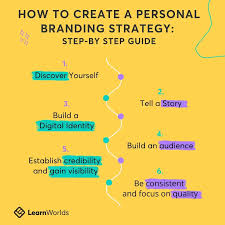
In today’s highly competitive business environment, personal branding has become one of the most powerful tools for business owners who want to stand out, build trust, and attract long term opportunities. Customers, investors, and partners are no longer only interested in products or services. They also want to know the people behind the business, their values, expertise, and vision.
A strong personal brand helps business owners create credibility, influence industry conversations, and establish authority in their field. It transforms a business leader from being just another entrepreneur into a recognizable and trusted figure in the market.
For many modern businesses, personal branding also complements professional operational support systems such as company secretarial services, which ensure compliance, governance, and transparency. While these services handle the structural and legal foundation of a company, personal branding builds the human connection and reputation that drives growth and trust.
This article explores effective personal branding strategies for business owners and explains how they can use them to strengthen their business presence and long term success.
Understanding Personal Branding for Business Owners
Personal branding refers to how a business owner presents themselves to the public and how they are perceived by others. It includes reputation, communication style, expertise, values, and online presence.
Unlike corporate branding, which focuses on a company, personal branding focuses on the individual leading the business. It highlights the personality behind the organization and creates a more relatable and trustworthy image.
A strong personal brand helps business owners influence decisions, attract opportunities, and build meaningful professional relationships.
In many cases, a business owner’s personal reputation directly impacts the credibility of their company. This is especially true in service driven industries where trust plays a key role in decision making.
Why Personal Branding Matters in Business
Personal branding is no longer optional for business owners. It has become a necessity in a digital and highly transparent world where information is easily accessible.
Customers often research business leaders before making purchasing decisions. Investors look at leadership credibility before funding a company. Partners evaluate trustworthiness before forming collaborations.
A strong personal brand creates confidence in all these interactions. It helps business owners differentiate themselves from competitors and build long lasting relationships.
Personal branding also supports corporate functions such as company secretarial services by reinforcing trust, professionalism, and transparency in business operations.
Building a Clear Personal Identity
The foundation of personal branding is clarity. Business owners must understand who they are, what they stand for, and what value they bring to the market.
This includes identifying strengths, expertise, passions, and long term goals. A clear identity helps shape consistent messaging across all platforms.
Without clarity, personal branding becomes inconsistent and less effective. With clarity, it becomes a powerful tool for communication and influence.
Business owners who define their identity early are more likely to build strong and recognizable personal brands.
Developing a Strong Online Presence
In the digital age, online presence is one of the most important aspects of personal branding. Business owners must ensure that their digital footprint reflects their expertise and professionalism.
This includes professional profiles, websites, social media platforms, and content sharing channels.
A strong online presence helps business owners reach wider audiences and establish credibility in their industry.
Consistency across platforms is essential. The message, tone, and values should remain aligned to create a cohesive personal brand.
Sharing Valuable Content
One of the most effective personal branding strategies is content creation. Business owners can build authority by sharing insights, experiences, and knowledge related to their industry.
Content can include articles, videos, interviews, and professional commentary. The goal is to educate and provide value rather than simply promote products or services.
When business owners consistently share valuable content, they position themselves as thought leaders in their field.
This approach builds trust and encourages audiences to engage with both the individual and their business.
Establishing Thought Leadership
Thought leadership is closely connected to personal branding. It involves sharing innovative ideas and industry insights that influence others.
Business owners who position themselves as thought leaders gain respect and recognition within their industry.
Thought leadership enhances credibility and creates opportunities for collaboration, speaking engagements, and media exposure.
It also strengthens the overall reputation of the business by associating it with expertise and innovation.
Maintaining Consistency in Communication
Consistency is one of the most important elements of personal branding. Business owners must ensure that their messaging remains aligned across all communication channels.
Inconsistent messaging can confuse audiences and weaken brand identity.
Consistent communication builds familiarity and trust. Over time, audiences begin to recognize and remember the personal brand more easily.
This consistency should extend to tone, values, visuals, and professional behavior.
Building Trust Through Transparency
Trust is the foundation of any successful personal brand. Business owners must be open, honest, and transparent in their communication.
Sharing both successes and challenges helps create authenticity and strengthens relationships with audiences.
Transparency also enhances credibility, especially in industries where trust is essential.
Even operational aspects such as company secretarial services benefit from transparent leadership, as they reflect compliance, accountability, and responsible business practices.
Networking and Relationship Building
Personal branding is not only about online presence. It also involves building strong professional relationships.
Networking allows business owners to connect with industry peers, potential clients, investors, and collaborators.
Strong relationships help expand influence and create new business opportunities.
Business owners who actively engage in networking events and professional communities often build stronger and more recognizable personal brands.
Leveraging Social Media Platforms
Social media is one of the most powerful tools for personal branding. It allows business owners to reach global audiences and share their expertise in real time.
Platforms such as LinkedIn, Instagram, and X provide opportunities to engage with industry discussions and showcase professional insights.
Effective use of social media requires consistency, authenticity, and value driven content.
Business owners who actively engage on social platforms can significantly enhance their visibility and influence.
Developing a Professional Image
Professional image plays a key role in personal branding. It includes appearance, communication style, behavior, and overall presentation.
A strong professional image reinforces credibility and builds trust among audiences.
Business owners should ensure that their image reflects their values and aligns with their brand identity.
This consistency helps create a strong and memorable impression.
Aligning Personal Brand with Business Goals
A successful personal brand should align with business objectives. Business owners must ensure that their personal reputation supports their company’s mission and vision.
When personal branding and business strategy work together, they create a powerful synergy that drives growth.
This alignment also strengthens customer trust and enhances brand recognition.
Operational support systems such as company secretarial services help maintain business structure while personal branding builds external perception.
Engaging with Industry Communities
Active participation in industry communities is an important personal branding strategy. It helps business owners stay updated with trends and build meaningful connections.
Engaging in discussions, forums, and professional groups enhances visibility and credibility.
It also provides opportunities to share expertise and learn from others.
Industry engagement strengthens personal reputation and expands professional networks.
Creating a Long Term Personal Branding Strategy
Personal branding is not a one time activity. It requires long term planning and consistent effort.
Business owners must set clear goals for how they want to be perceived and develop strategies to achieve those goals.
A long term approach ensures stability and continuous growth of personal reputation.
It also allows business owners to adapt their branding strategies as their careers evolve.
Avoiding Common Personal Branding Mistakes
Many business owners make mistakes that weaken their personal brand. These include inconsistency, lack of authenticity, and failure to engage with audiences.
Another common mistake is focusing only on self promotion rather than providing value.
Strong personal branding requires balance between visibility and meaningful contribution.
Avoiding these mistakes helps maintain credibility and trust.
Measuring Personal Branding Success
Personal branding success can be measured through visibility, engagement, reputation, and professional opportunities.
Business owners should regularly evaluate how their brand is perceived and make adjustments when necessary.
Feedback from peers, clients, and industry professionals can provide valuable insights.
Continuous improvement is essential for maintaining a strong personal brand.
Conclusion
Personal branding is a powerful strategy for business owners who want to build trust, influence, and long term success. It helps differentiate them in competitive markets and creates stronger connections with customers, investors, and partners.
By developing a clear identity, sharing valuable content, maintaining consistency, and engaging with industry communities, business owners can build strong and influential personal brands.
Personal branding also complements operational foundations such as company secretarial services, which ensure compliance and structure, while the personal brand builds visibility and trust.
In today’s digital and transparent business environment, a strong personal brand is one of the most valuable assets a business owner can develop.
FAQs
What is personal branding for business owners?
Personal branding is the process of shaping how a business owner is perceived based on their expertise, values, communication, and professional presence.
Why is personal branding important?
It builds trust, enhances credibility, attracts opportunities, and strengthens both personal and business reputation.
How can business owners build a strong personal brand?
They can build it by sharing valuable content, networking, maintaining consistency, and establishing thought leadership.
What role does social media play in personal branding?
Social media helps business owners reach wider audiences, share expertise, and engage with industry communities.
How does personal branding affect business success?
A strong personal brand increases trust, improves customer engagement, and creates new business opportunities.
Why is consistency important in personal branding?
Consistency builds recognition, trust, and credibility across all communication channels.
Can personal branding support company operations?
Yes, it enhances trust and reputation, which complements structured systems like company secretarial services.
How long does it take to build a personal brand?
Personal branding is a long term process that requires consistent effort and ongoing improvement over time.