
Why Your Morning Brew Deserves a Burr Coffee Grinder
The difference between a mediocre cup of coffee and an exceptional one often comes down to a single factor that many home brewers overlook: grind consistency. While blade grinders chop beans unevenly, creating a mix of powder and chunks that leads to bitter, unbalanced extraction, a burr coffee grinder crushes beans between two abrasive surfaces to produce uniformly sized particles. This precision transforms your daily coffee ritual from a hit-or-miss experiment into a reliable source of cafe-quality results. Whether you’re pulling espresso shots, brewing pour-over, or preparing French press, the grind size directly impacts flavor extraction, and only burr grinders deliver the control serious coffee enthusiasts need.
How Burr Grinders Actually Work
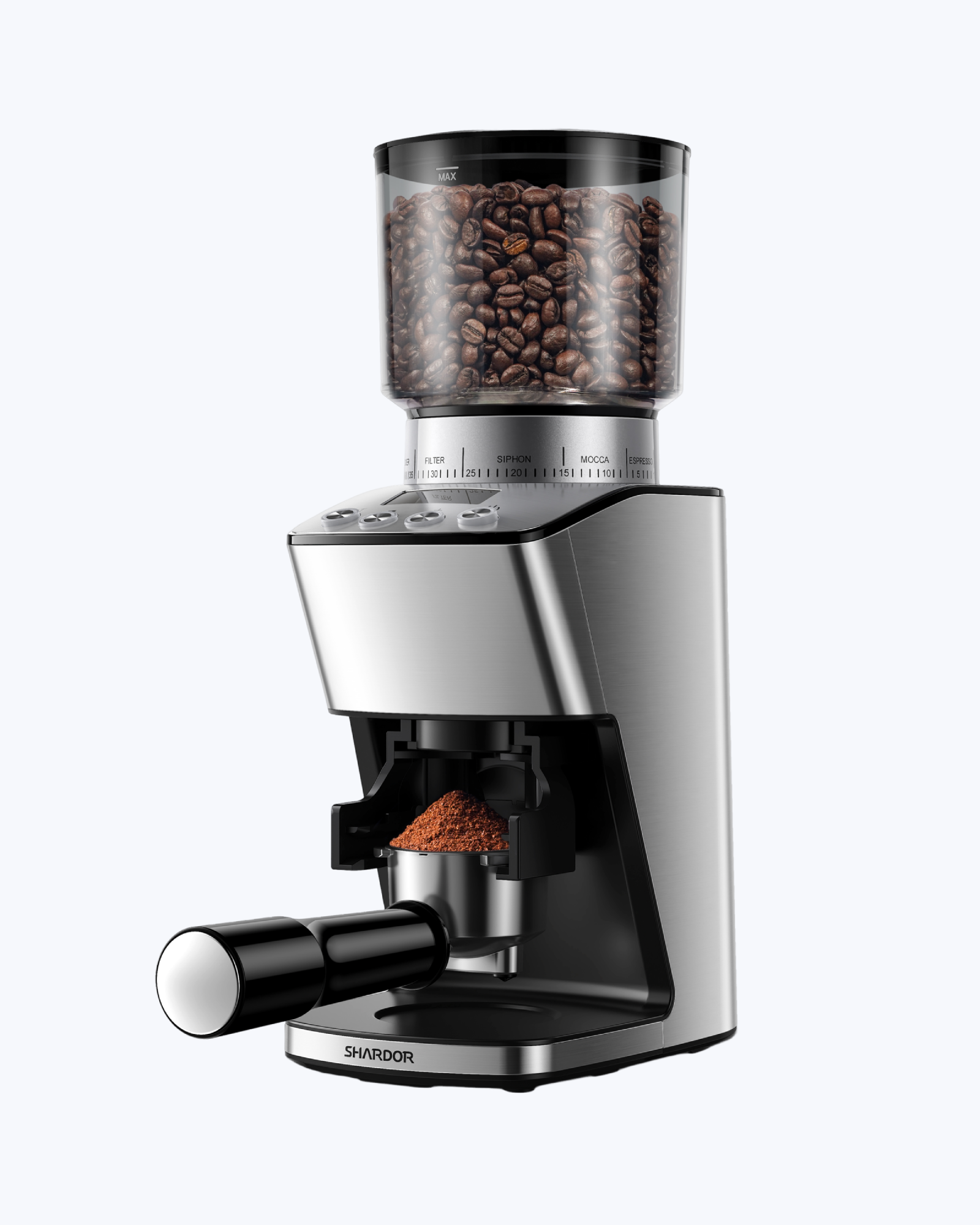
A burr grinder operates through two revolving abrasive surfaces—either flat or conical—that crush coffee beans into consistent particles. Unlike blade grinders that use a spinning blade to chop randomly, burr mechanisms force beans through a gap that you can adjust to control particle size. Flat burr grinders feature two parallel rings with angled teeth that grind beans as they pass through, while conical burr grinders use a cone-shaped burr nested inside a hollow outer burr. Both designs produce far superior results to blade grinding, but conical burrs tend to run quieter and generate less heat during operation.
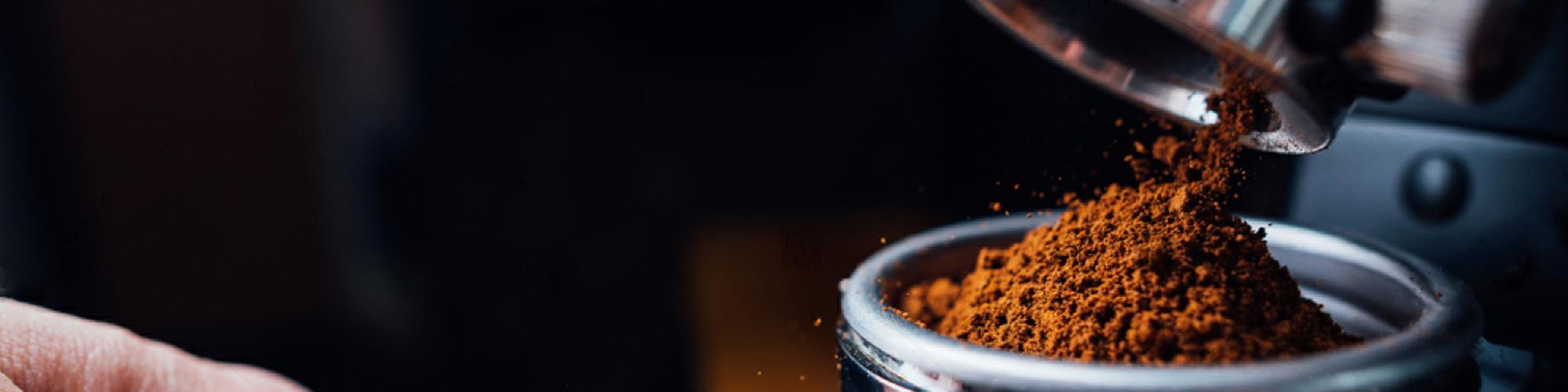
The adjustable gap between burrs determines grind size, typically controlled by a numbered dial or stepped collar. Smaller gaps produce fine grinds suitable for espresso, while larger gaps create coarse particles ideal for French press or cold brew. This mechanical precision ensures that each bean fragment is roughly the same size, which means water extracts flavor compounds at the same rate during brewing. When particles vary dramatically in size—as they do with blade grinders—small pieces over-extract and become bitter while large chunks under-extract and taste sour, resulting in muddled, unpleasant coffee.
Grind Consistency and Flavor Extraction
Coffee extraction is essentially a controlled dissolution process where hot water pulls soluble compounds from ground beans. The rate of extraction depends heavily on surface area: finer grinds expose more surface area and extract quickly, while coarser grinds extract more slowly. When your grind contains particles of wildly different sizes, you’re simultaneously over-extracting some particles and under-extracting others, creating a cup that tastes both bitter and sour at the same time. Burr grinders eliminate this problem by producing a narrow particle size distribution, allowing you to dial in precise extraction for your chosen brewing method.
Different brewing methods require different grind sizes because contact time between water and coffee varies. Espresso machines force water through grounds under pressure in less than thirty seconds, demanding an extremely fine grind to achieve proper extraction in that brief window. Pour-over methods typically use a medium grind because water passes through the coffee bed in two to four minutes. French press requires a coarse grind since grounds steep in water for four to five minutes before plunging. A quality burr grinder gives you the flexibility to adjust grind size for any method, while maintaining the consistency that makes each brew predictable and repeatable.
Choosing Between Flat and Conical Burrs
The debate between flat and conical burrs often generates strong opinions among coffee professionals, though both designs produce excellent results when well-manufactured. Flat burr grinders typically create a more uniform particle distribution with fewer ultra-fine particles, which some baristas prefer for pour-over and filter coffee. They spin faster and grind beans more quickly, but this increased speed generates slightly more heat and noise. Conical burr grinders operate at lower RPMs, running quieter and cooler, which helps preserve volatile aromatics in the beans. They also tend to be more forgiving with oily or very dark roasts that can clog flat burrs.
For home users, the practical differences matter less than build quality and burr size. Larger burrs—whether flat or conical—grind faster and more efficiently, reducing heat buildup and extending burr life. SHARDOR designs incorporate precision-ground burrs that maintain their edge through thousands of grinding sessions, ensuring long-term consistency without degradation. The motor quality also plays a crucial role: underpowered motors can stall when grinding light roasts or cause the machine to overheat during back-to-back grinding sessions. Look for grinders with robust motors rated for continuous use rather than budget models designed for occasional grinding.
Manual Versus Electric Burr Grinders
Manual burr grinders appeal to minimalists and travelers who value portability and mechanical simplicity. These hand-crank models require no electricity, generate zero noise, and often cost significantly less than electric versions while still delivering burr-quality consistency. The grinding process takes one to two minutes of steady cranking, which some users find meditative and others find tedious. Manual grinders work beautifully for single servings but become impractical when preparing coffee for multiple people or grinding for espresso, which requires fine adjustments and substantial cranking effort.

Electric burr grinders eliminate the physical effort and dramatically reduce grinding time, making them the practical choice for daily use or household coffee consumption. Entry-level electric grinders start around the price of premium manual models but offer convenience and speed that justifies the investment for regular coffee drinkers. Stepped grinders use preset grind settings with detents that click into position, making them reliable and easy to use but less flexible for fine-tuning. Stepless grinders provide infinite adjustment across their range, giving you complete control over particle size but requiring more attention to replicate settings consistently.
Maintaining Your Burr Grinder for Longevity
Coffee beans contain oils that accumulate on burrs and in grinding chambers, eventually turning rancid and imparting stale, bitter flavors to fresh beans. Regular cleaning prevents this buildup and extends the life of your grinder. Most manufacturers recommend brushing out the grinding chamber and burrs weekly if you grind daily, using a small stiff brush to dislodge stuck particles and oil residue. Some grinders feature removable burrs that you can wash with warm soapy water, though you must dry them completely before reinstallation to prevent rust.
Grinder cleaning tablets offer a convenient deep-cleaning solution for removing stubborn oils without disassembly. These food-safe pellets grind through your burrs like coffee beans, absorbing oils and pushing out residue as they break down. Run a small amount of actual coffee beans through afterward to purge any tablet dust before brewing. Beyond cleaning, burrs eventually wear down with use and require replacement—typically after grinding several hundred pounds of coffee. Worn burrs produce increasingly inconsistent particle sizes, so if your coffee quality degrades despite proper technique and fresh beans, burr replacement likely solves the problem.
Elevating Your Coffee Routine
Investing in a burr coffee grinder represents one of the most impactful upgrades any coffee enthusiast can make, delivering immediate improvements in flavor clarity, extraction balance, and brewing consistency. The difference between choppy blade grinding and precise burr crushing becomes apparent from the first cup, as properly extracted coffee reveals the nuanced characteristics that make each origin and roast unique. While quality burr grinders require a larger upfront investment than blade alternatives, they repay that cost through years of reliable performance and genuinely better coffee. Whether you choose manual or electric, flat or conical, the fundamental benefit remains the same: uniform particle size that gives you full control over your brewing results.