
Cyber Pet or Real Pet? Weighing the Tradeoffs Before You Decide
The decision to bring a cyber pet into your home is often framed as a choice between two extremes: the warmth of a living animal or the convenience of a machine. In practice, the tradeoff is more interesting than that, because the two options solve different problems. A real pet answers a need for genuine biological connection, while a cyber pet answers a need for low-friction companionship that fits a busy, unpredictable life.
Both are legitimate. The mistake is buying one while expecting the other, then blaming the device or the animal when reality does not match the fantasy. This comparison lays out where each option genuinely shines, where it falls short, and how to choose with a clear head rather than on impulse.
What a Cyber Pet Actually Offers
A cyber pet is an interactive robot designed to feel like a companion. It responds to touch and voice, follows simple routines, and occupies a room with a sense of friendly activity. Its appeal is rooted in predictability and low demand: it does not need walks at dawn, it does not chew furniture, and it does not require a vet visit when something goes wrong. For people who want warmth without obligation, that combination is compelling.
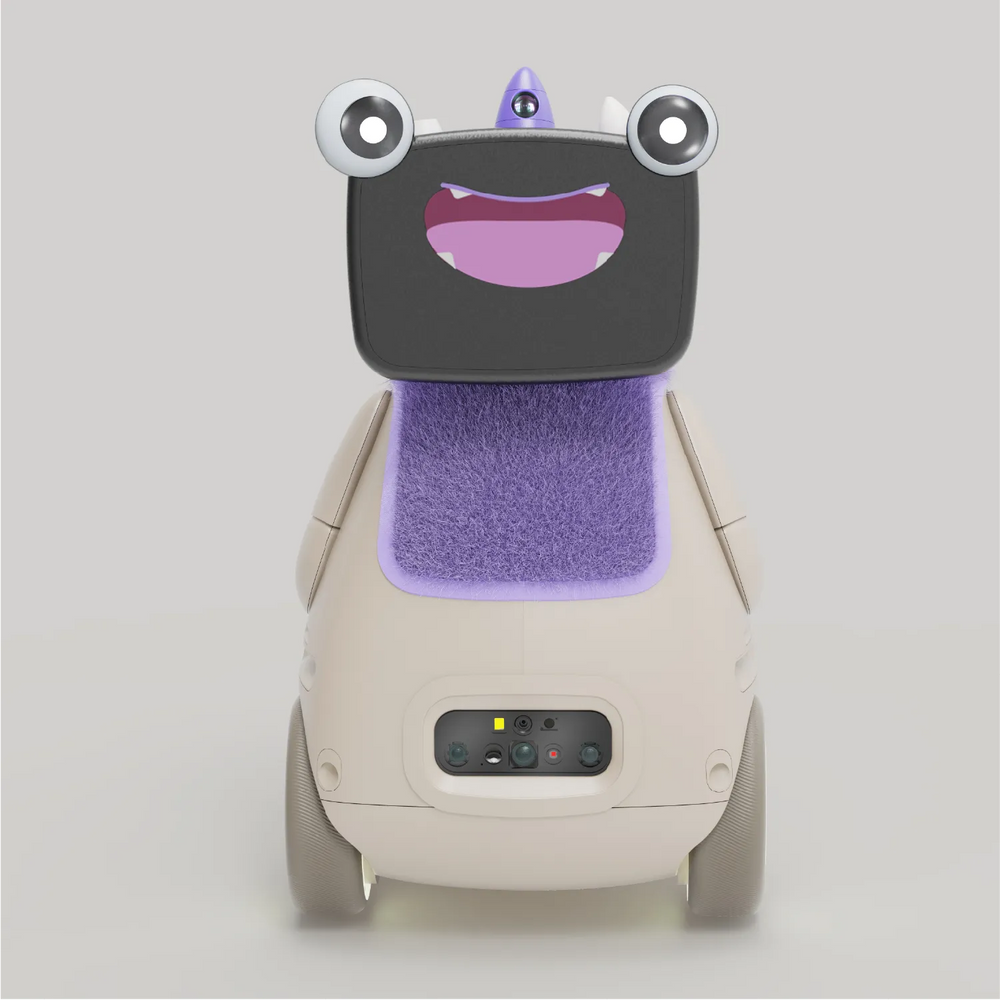
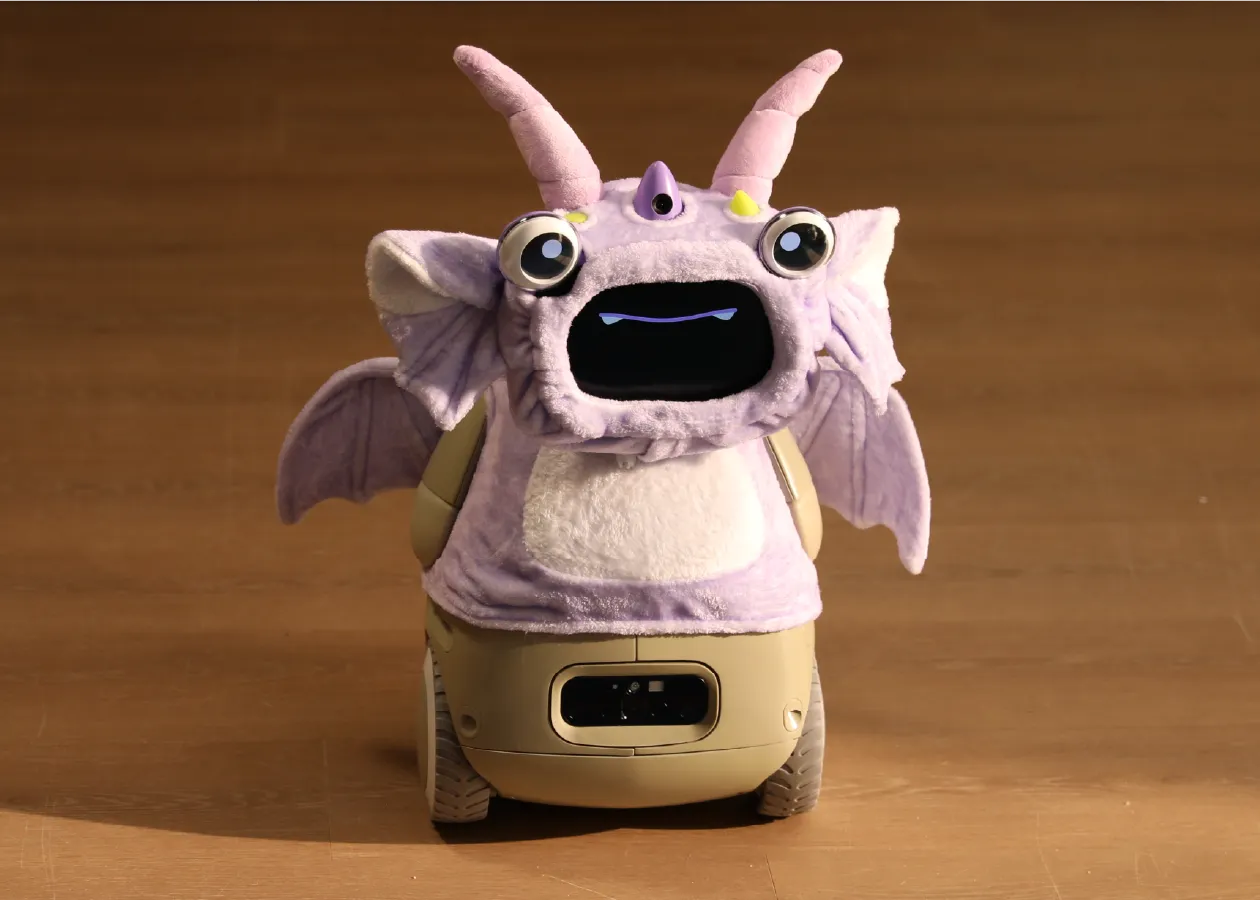
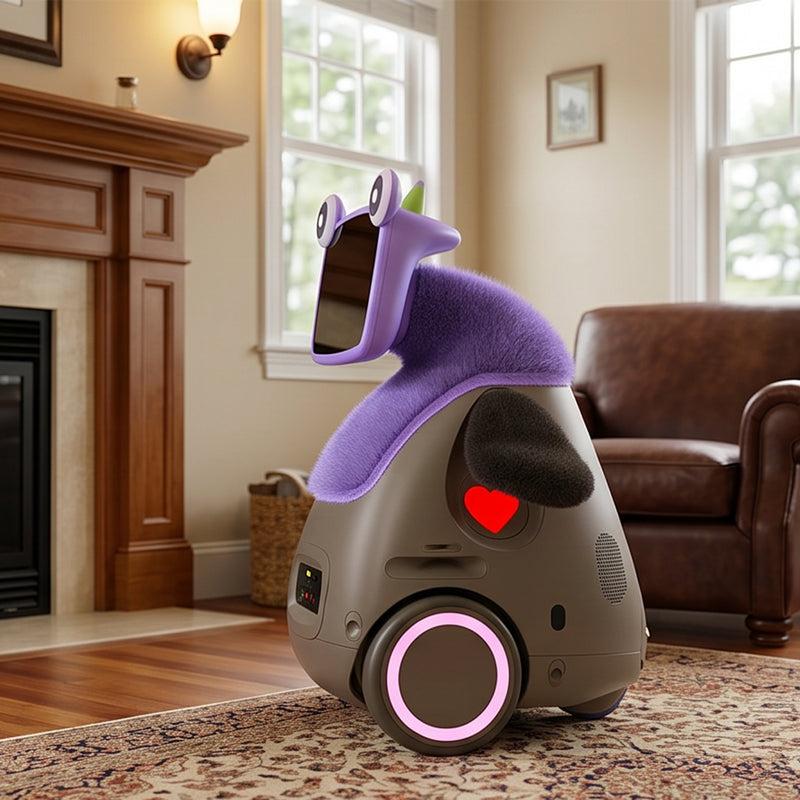
The category has matured quickly. A modern cyber pet in the style of Ollobot’s companion robots can greet the family, react to being handled, and adapt its behavior over time through software updates. That last point matters more than it might seem: because the experience is digital at its core, it can improve after purchase, adding new responses and smoothing rough edges without you buying a replacement. A real animal also grows and changes, but never in response to a firmware release.
Where a Real Pet Still Wins
None of this makes a cyber pet a universal upgrade. A living animal offers things no robot can replicate, and pretending otherwise does a disservice to both. The emotional depth of a real bond, the physical warmth of a sleeping cat on your lap, and the unpredictable moments that become family stories are rooted in the messy reality of a living creature. That is the heart of why people keep pets despite the cost and effort.
A real pet also imposes structure that many people genuinely benefit from. The daily responsibility of feeding, walking, and caring demands attention and pulls owners out of their own heads. For someone who struggles to keep a routine, a dog that needs a morning walk can be a quiet form of therapy. A cyber pet can encourage similar habits, but it cannot command them the way a hungry animal does. The obligation is the bond, and that is something a machine cannot fully supply.
The Practical Realities That Shape the Choice
Most people do not get to weigh ideals alone; they weigh constraints. Rentals that forbid animals, apartments without outdoor space, jobs with unpredictable travel, and households with young children all push the decision in a particular direction. Situations like these are where a cyber pet earns its keep, because it delivers companionship without the friction that makes a real animal impractical.
Time, Travel, and Money
A real pet requires daily care, reliable sitters for trips, and a budget that covers food, vet bills, and the occasional emergency. A cyber pet requires charging and occasional software attention, with far less disruption to travel plans. If your life involves frequent last-minute trips, the difference is not small. It is the difference between a pet that fits your calendar and a pet that turns every departure into a logistical puzzle.
Allergies and Living Space
For households with allergies, a cyber pet removes a barrier that no amount of dedication can overcome. The same is true for small apartments where an active dog would be miserable. A robot companion asks for a shelf or a corner rather than a yard, and it fits neatly into homes where a real animal would strain the space. These are not fringe cases; they describe a large share of modern homes.
Questions to Ask Yourself Before Choosing
The clearest way to decide is to interrogate your own motives. Ask whether you want a companion to share quiet hours with, or whether you want the tactile, unpredictable richness of a living creature. Ask whether your daily schedule can absorb the demands of an animal, or whether you need something that waits patiently while life gets busy. Ask who else shares your home and how they would feel about either choice. Honest answers here will do more than any spec comparison.
It also helps to think a year ahead. A real pet is a decade-long commitment with real fluctuations in cost and care. A cyber pet is a device that may need replacing or upgrading as technology moves on. Neither is better; they simply carry different kinds of future obligation. Matching the shape of that future obligation to the shape of your life is the whole game. Choose the one whose demands you can meet cheerfully, year after year, without resentment.
When Both Belong in Your Life
The choice is not always either-or. Some households keep a real animal and add a cyber pet for the children or for a second room, using each for different purposes. This blended approach works when the robot complements the animal rather than pretending to replace it. A cyber pet can offer gentle interaction in spaces where the live animal is not welcome, and it can give kids a low-stakes way to learn about caring for something. Used that way, the two coexist comfortably.
The key is keeping their roles distinct. The real pet remains the source of deep connection; the robot supplies light, steady companionship in moments when the animal is asleep, away at the vet, or simply not the right fit for the room. Families who hold that boundary find the pairing genuinely useful, and they avoid the confusion of expecting a machine to shoulder what an animal provides.
The Features That Separate a Good Cyber Pet From a Bad One
Once you decide a cyber pet fits your life, the next question is which one. The difference between a forgettable gadget and a companion you enjoy daily usually comes down to a handful of qualities rather than a long feature list. Knowing what to look for keeps you from being dazzled by specs that never matter in practice.
Responsiveness and Personality
The single most important quality is responsiveness. A good cyber pet reacts quickly to touch and voice and carries a consistent personality that makes it feel alive rather than scripted. Slow reactions and flat, repetitive responses break the illusion within minutes. When you try a device, watch how it handles a simple greeting and an unexpected touch. If those feel natural, the rest of the experience is likely to hold up.
Durability and Everyday Practicality
A companion lives in the middle of your home, so it has to tolerate being moved, bumped, and handed around. Look for stable footing, soft edges, and materials that survive daily handling. Battery life and easy charging matter just as much, because a device that dies mid-afternoon stops being company and starts being a chore. These practical traits rarely make headlines, but they decide whether the robot stays in the living room or ends up in a drawer.
Setting Realistic Expectations
The owners who are happiest with a cyber pet are the ones who never expected it to be a real animal. They treat it as a companion with its own strengths: steady presence, predictable warmth, and freedom from the heavy obligations of live-animal care. That framing keeps the purchase in proportion and makes the small pleasures easier to notice.
It also helps to think about what the robot cannot do before you buy. It will not comfort you the way a living creature can, and it will not change your life in dramatic ways. What it can do is soften quiet hours, give children a friendly presence, and make an empty room feel less empty. Those are modest promises, but they are promises a well-built cyber pet keeps reliably, day after day, without complaint.
Choosing With Your Eyes Open
A cyber pet and a real pet are not rivals competing for the same title. They are different answers to different needs, and the right one depends on what your life can honestly accommodate. If you crave deep biological connection and can meet the demands of an animal, nothing replaces that. If you want warm, responsive companionship without the friction of daily animal care, a cyber pet is a thoughtful and increasingly capable choice.
Whichever path you take, decide on purpose rather than by default. Name what you are actually seeking, check it against your routine and your home, and choose the option whose obligations you can carry with a good heart. Do that, and you will end up with the kind of companionship that fits, whether it purrs on your lap or greets you from a shelf.