
hair and scalp care
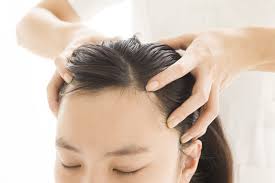
Healthy hair starts at the roots, which are found in your scalp. Proper hair and scalp care ensures that the scalp maintains a balanced environment, allowing hair follicles to receive the blood flow, nutrients, and signals they need to produce strong, resilient strands. Think of the scalp as the soil where your hair grows. If the soil is depleted, compacted, or inflamed, plants struggle to thrive.
Similarly, neglecting hair and scalp care can lead to thinning, breakage, or slow regrowth over time. Prioritizing hair and scalp care is essential for maintaining the health and strength of your hair.
Why Hair and Scalp Care Matters
Hair growth occurs in cycles: growth (anagen), transition (catagen), and rest (telogen), all controlled by cells deep within the follicle. Proper hair and scalp care is essential for ensuring that the scalp barrier remains intact. A healthy scalp barrier helps follicles receive vital nutrients, such as oxygen, amino acids, and growth factors, while also protecting against toxins and pathogens.
A panel of dermatology experts recently published consensus statements in the Journal of Drugs in Dermatology, emphasizing that a compromised scalp barrier function can disrupt these natural cycles and may lead to accelerated hair shedding.
For effective hair and scalp care, maintaining optimal scalp barrier integrity is key. When the scalp barrier is healthy, hair follicles can remain in the anagen (growth) phase for a longer period, which promotes thicker, fuller hair.
Common Scalp Issues in the Philippines and the Role of Hair and Scalp Care
In the Philippines, humidity and heat add unique challenges:
- Excessive sebum production. High moisture levels can trigger overactive oil glands, clogging follicles. Proper hair and scalp care, such as using a gentle, clarifying shampoo, helps prevent buildup.
- Dandruff and seborrheic dermatitis. The yeast Malassezia thrives in warm, oily environments, resulting in flaking and itching. A consistent hair and scalp care routine with anti-fungal ingredients (e.g., zinc pyrithione) helps keep flakes at bay.
- Dry, tight scalp. Air conditioning and hard water strip natural oils, causing tightness and irritation. Incorporate hydrating hair and scalp care products, such as lightweight leave-in conditioners, to restore moisture.
- Oxidative stress. Pollution and UV exposure generate free radicals that weaken the scalp barrier and hair follicles. Antioxidant-rich serums as part of your hair and scalp care regime can neutralize these damaging molecules.
Addressing these issues early prevents more serious inflammation and supports strong regrowth.
Fueling Your Scalp from Within
Hair is more than keratin; it’s living tissue that needs nutrients. Key dietary factors include:
- Protein: Lean meats, eggs, fish, beans, and tofu are essential for providing the amino acids that form hair keratin. A deficiency can result in brittle or thinning hair.
- Vitamins and minerals:
- Vitamin A encourages healthy oil (sebum) production for scalp moisture.
- B‑complex vitamins (especially biotin and niacin) promote healthy blood flow.
- Vitamin D receptors in follicles may influence the hair cycle.
- Zinc and iron deficiencies correlate with thinning hair.
- Healthy fats: Omega-3 fatty acids found in fish, flaxseeds, and walnuts help maintain scalp hydration and reduce inflammation.
- Antioxidants: Fruits and vegetables rich in beta‑carotene and vitamin C combat oxidative stress that damages follicles.
A balanced diet sustains not only overall health but also the microenvironment where hair grows. Ensuring an adequate intake of proteins, vitamins, minerals, healthy fats, and antioxidants is integral for anyone seeking to maintain healthy hair from within.
Daily Habits for a Balanced Scalp
Small changes in your routine can yield big results:
- Choose mild, pH‑balanced cleansers: Harsh sulfates strip protective oils; look for shampoos that cleanse without over‑drying.
- Wash 2–3 times a week: This helps clear buildup while preserving natural moisture.
- Rinse thoroughly: Residual product can irritate the skin and block follicles.
- Gently pat, rather than rub, when towel-drying: Rough friction can harm fragile strands and the underlying scalp.
- Limit heat styling: High temperatures damage both hair shafts and scalp cells. If you use a blow dryer, keep it on low heat and hold it at least 15 cm away.
By treating your scalp with care rather than force, you reinforce its natural defenses.
Targeted Treatments That Work
When you notice thinning or slower regrowth, consider these evidence‑based options:
- Scalp massage. Stimulates circulation and encourages follicles to enter the active growth phase.
- Zinc pyrithione shampoos. Initially designed to curb dandruff, they inhibit Malassezia and reduce oxidative stress, which may help maintain hair density.
- Topical minoxidil. Clinically approved for male pattern hair loss, it extends the anagen phase when applied consistently as directed.
- Natural extracts and oils. Ingredients such as coconut oil, aloe vera, and niacinamide support barrier repair and soothe irritation.
Combine these with your regular wash routine for a scalp that actively nurtures new growth.
Lifestyle Factors That Affect Scalp Balance
Beyond products, daily life plays a role:
- Stress management. Chronic stress raises cortisol levels, which can prompt follicles to enter the resting phase prematurely. Techniques like meditation or deep-breathing exercises help lower stress-induced shedding.
- Quality sleep. Growth hormone peaks during deep sleep, aiding the repair of scalp tissues and follicles. Aim for seven to eight hours per night.
- Sun protection. Prolonged UV exposure weakens the scalp barrier. Wear a breathable hat or use a scalp‑friendly sunscreen when outdoors.
- Hydration. Drinking at least eight glasses of water daily supports overall skin and scalp health.
Addressing these factors helps keep your scalp and hair in top condition.
Practical Tips for Urban Filipino Men
Long workdays, pollution, and sweat call for specialized steps:
- Post‑gym rinse. Sweat is salty and acidic; shampoo or rinse with water after workouts to clear pores.
- Lightweight leave‑in tonics. Look for products labeled non‑comedogenic to avoid buildup.
- Seasonal adjustments. During the monsoon months, consider using a medicated shampoo containing zinc pyrithione to help combat dandruff. During dry spells, incorporate a few drops of argan oil into your routine to help lock in moisture.
- Breathable headwear. If you wear caps or helmets, choose materials like cotton or moisture‑wicking synthetics.
These minor tweaks fit seamlessly into your busy schedule and defend your scalp against urban stressors.
Conclusion
Strong, full hair grows from a well‑tended scalp. By combining balanced nutrition, gentle daily habits, targeted treatments, and smart lifestyle choices, you create the ideal setting for follicles to thrive. Make hair and scalp care a non‑negotiable part of your routine, listen to your scalp’s signals, and adapt your approach to your environment. With consistency and patience, you’ll see healthier, more resilient hair emerge, starting with top‑notch hair and scalp care.
For more guidance on hair and scalp care and practical tips you can use today, check out our hair health blog at Gorocky.ph. You’ll find straightforward advice, product reviews, and step‑by‑step routines to help you maintain a healthy scalp and fuller hair.