
Can Sustainable Land Clearing Be a Reality?
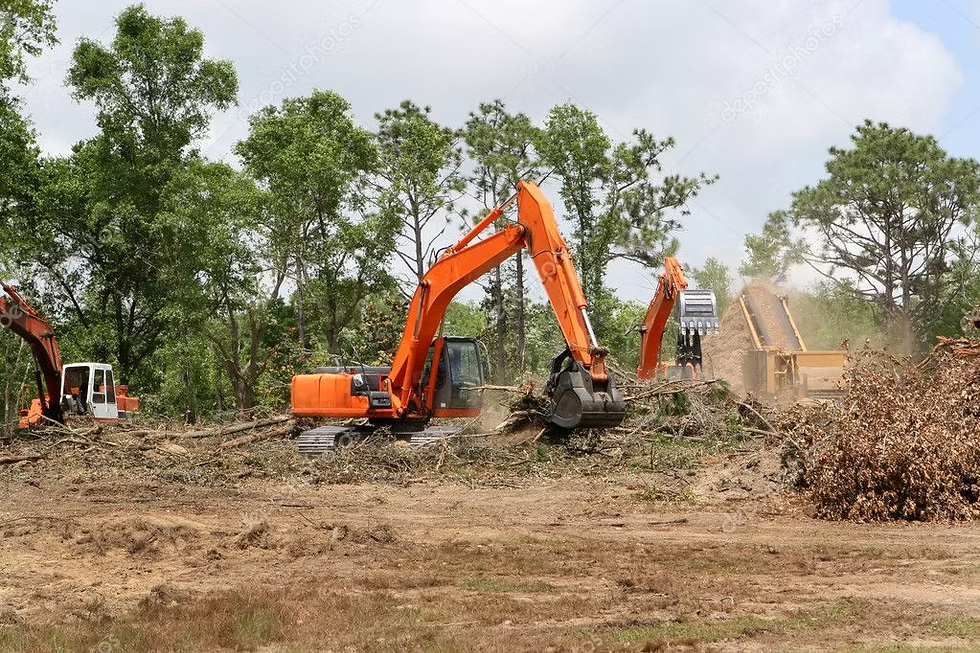
The clearing of land is one simple action that is the beginning of all new roads, housing and farm projects. This process has been considered decades ago as a mandatory growth step. However, as environmental devastation becomes more prominent, the question rises: is it possible to make land clearing ever sustainable or is it always something bad one way or another? It does not simply have a yes or no answer, as it is determined by the way land is cleared, why it is cleared and what happens post clearing. If you are looking for safe and effective as well as sustainable clearing land in the city of Burnett TX, then go no further then Lone Star Forestry Mulching, as they have the necessary skills and expertise.
What Sustainable Means in Land Clearing?
Land clearing sustainability does not equate to no impact. Rather, it implies minimizing destruction, maintaining the ecological equilibrium, and letting natural mechanisms restore. It is not aimed to halt development but to make it less destructive. These are done with careful planning, controlled approaches and long-term thinking and not short-term gains.
Real sustainability attempts to preserve biodiversity, ensure soil quality, control water resources, and minimize carbon emission and yet allow land to be used to support human activities.
Choosey Clearing, not Removal:
Selective clearing is one of the most important methods of clearing land in a sustainable manner. They do not cut all vegetation but only certain trees or plants depending on needs. This aids in the conservation of elements of the ecosystem that enables wildlife to live and soil structure to be stable.
For example, conserving large native trees can prove to be helpful because they can offer shade, habitat as well as minimise the chances of erosion. Natural absorption of water can also be retained with selective clearing and the chances of flooding and land degradation can thus be minimised.
Environmental Planning Role:
Sustainable land clearing is a process that starts way before any physical activity. Environmental impact assessments come in as tools vital towards examining how the land will react to development. These tests determine the sensitive regions which include wetlands, animal habitats and fertile soils areas.
Knowing these factors early will enable planners to avoid high risk zones or develop projects that cause minimum destruction. The most appropriate times to clear without causing unnecessary damage on wildlife during breeding seasons can also be determined through proper planning.
Replanting and/or Restoring Lands:
In sustainability, restoration is a significant step after clearing land. Native plants can be used to replenish the land and to store ecosystem in the long run which is commonly known as reforestation or rehabilitation. Restoration of soil fertility, introducing wildlife and stabilising the ground are all the benefits of it.
But one thing of importance is that the recovery does not happen overnight — it takes time. The natural order of the ecosystem may, literally, take years or decades before restoring its initial balance. In some cases, artificial plantations are used, but these do not always replace the complexity of natural forests.
Reduced Impact Techniques:
New technology has presented improved ways of minimizing the environmental harm during the clearing of land. Precision clearing machines have the ability to clear vegetation with minimal disturbance of soil. When properly handled, even controlled burning has the capacity of reducing unwanted vegetation without causing total destruction of soil structure.
The other technique is that of phased clearing, in which land is cleared off in stages rather than in one go. This enables animals to move slowly and minimizes a sudden collapse in the ecosystem.