
Large Property Brush Removal Strategies
There are numerous obligations associated with running a big property and one of the most significant ones would be to maintain the land free of dense brush. The presence of thick vegetation, undergrowth, and objectionable shrubs can readily cover open areas leaving the property very hard to keep clean and diminishing the overall look of it. Besides appearing untidy, too much brush may cause safety issues, pests, and pose chances of wildfires. As a property owner, farmer, developer and land manager, a good brush removal plan is necessary which experts of tree service in lawrenceville GA can provide.
Start with a Property Assessment:
In any brush removal project, an evaluation of the property should be carried out before starting any such project. Big properties usually have various kinds of grounds, plants and barriers which need special care.
Conduct a walk in the area and determine areas that are heavily covered in brush, other invasive plants, trees, drainage and other sensitive environmental zones — mark those areas that need to be completely cleared.
Give Priority to Sensitive Areas:
Giving priority to sensitive areas first can be useful when dealing with large properties. Brush in the vicinity of homes, buildings, fences, roads, utility lines and access paths, should be a priority in most cases.
The vegetation that grows close to structures may cause fire hazards and complicate inspection or maintenance. Thick bush and growth, on roads and driveways, can lower visibility and accessibility. By operating on such high-risk areas initially, it is possible to promote better safety and simplify the management of the property.
Apply Mechanical Clearing Techniques:
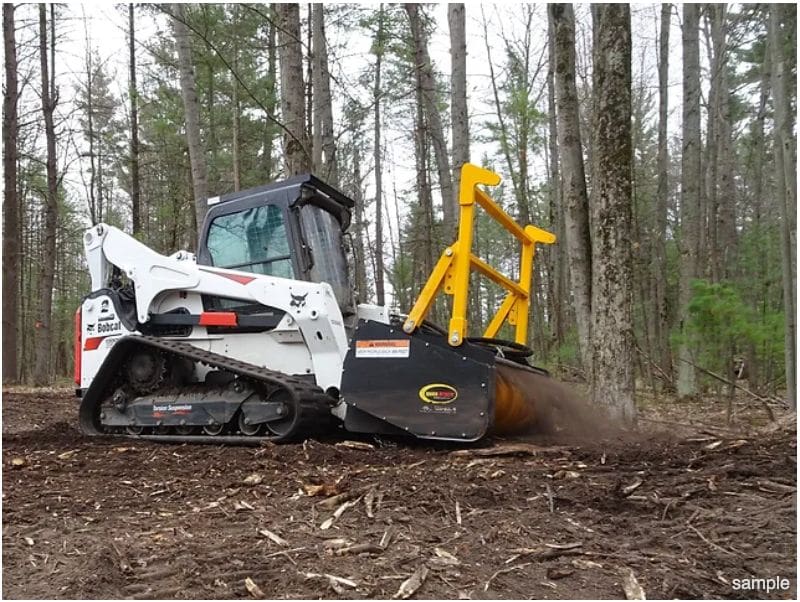
One of the most effective methods of clearing large quantities of brush involves mechanical clearing. Specialized machine is able to remove vegetation within minutes that would otherwise take weeks/ months to remove by hand. Equipment typically used in removing the brushes includes:
- Brush cutters
- Skid steers equipped with forestry tools
- Bulldozers
- Excavators
- Rotary mowers
- Forestry mulchers
These machines have the ability to sweep extensive areas of land, but also demand less labor. The selection of appropriate equipment will be based on the density of the vegetation, the terrain or project objectives. Large-scale brush management projects usually require the use of mechanical clearing due to its expediency and efficiency.
Remove Invasive Plant Species:
Invasive plants are known to affect large properties. These invasive species have the ability to propagate quickly and overtake native plants. In the process of brush removal, locate and attack invasive plants which can be causing health issues to the landscape. Healthier ecosystems will be promoted and development of desirable vegetation will be improved with the elimination of invasive species.
It is important to have follow up maintenance in order to avoid future problems as some invasive plants have the ability to regrow as roots or as seeds. The elimination of invasive species will promote healthier ecosystems and will enhance the development of desirable vegetation.
Create a Debris Management Plan:
The disposal of brushes creates substantial sums of garbage, particularly in big areas. Piles of branches, shrubs and vegetation can easily be burdensome without a plan. There are many alternatives (disposal options) such as:
- Chipping and mulching
- Composting
- Hauling debris away
- Recycling organic materials
- Regulated disposal where allowed.
A good debris management plan would ensure that the project is well organized and needless delays are avoided.
Take Erosion Control Measures:
Clearing vegetation cover may leave soil vulnerable to erosion of soil. This is particularly essential in hilly slopes or on the premises that have drainage systems. Once brush has been cleared, it is recommended to use mulch, erosion-controlling blankets, ground covers plants, or any other form of soil stabilization to cover the bare soil. Adequate erosion control, also recycles good soil quality, and minimizes chances of damaging the environment during and after clearing takes place.