
Personal Injury Lawyer in Houston, Texas: Truck Accident Claims Against Commercial Operators
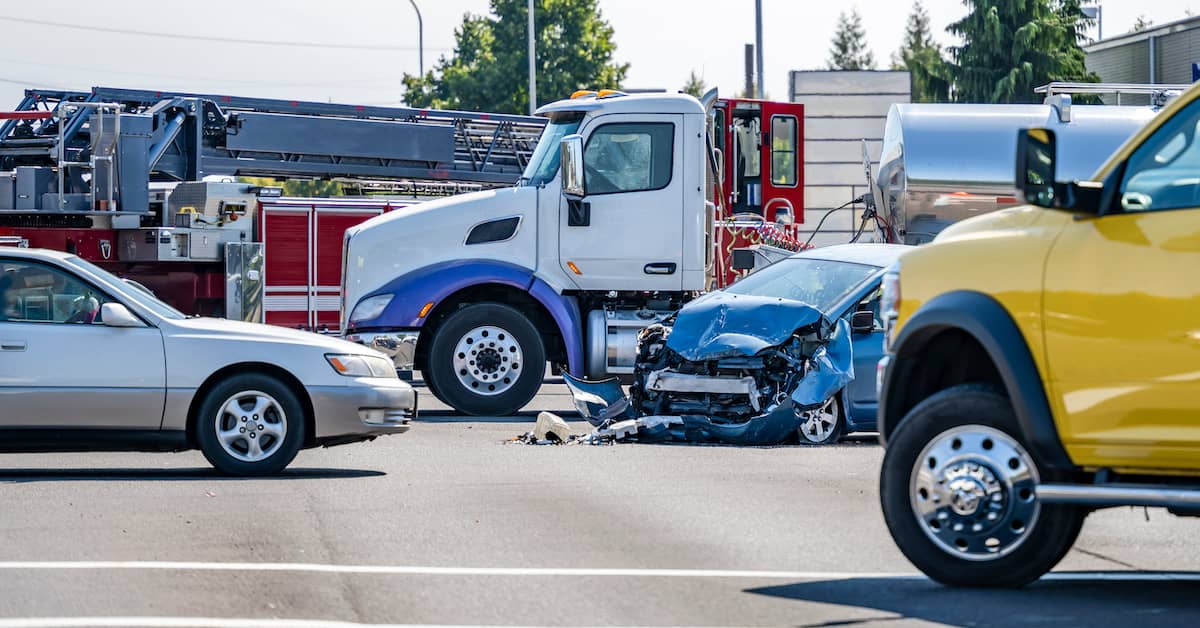
When a truck crash flips life upside down
A truck accident is not just a bigger car crash. It feels different. It looks different. It changes things faster. One moment you’re driving I-10 or the Loop. Next moment, metal twists. Glass breaks. Traffic stops. Your body hurts. Your head spins. Your phone won’t stop buzzing. And here’s the thing. Truck accidents bring more than pain. They bring companies, insurers, and rules most people never see coming. That’s why many injured drivers call a Houston personal injury lawyer right away. Not later. Not after things “settle down.” Right away.
Why truck accidents are a whole different animal
Commercial trucks weigh up to 80,000 pounds. Your car weighs maybe 4,000. That math never works in your favor. But size is only part of it.Truck drivers answer to federal rules. Trucking firms track logs, routes, loads, and hours. Insurance limits are higher, but fights are tougher. And commercial operators don’t move slow. They send teams. Adjusters. Lawyers. Sometimes within hours. You know what? If you treat a truck claim like a normal crash, you risk losing ground early.
Common causes of truck accidents in Houston
Houston roads stay busy. Day and night. Ports, warehouses, oil routes, and shipping lanes all feed the traffic.
Truck accidents often trace back to a few clear causes:
- Driver fatigue from long hours
- Speeding to meet tight delivery windows
- Poor training or rushed hiring
- Bad truck upkeep or worn brakes
- Overloaded or shifting cargo
- Distracted driving, yes, it happens
Some cases look simple at first. Then records show missed inspections or broken safety rules. That’s when things shift.
Who can be held responsible?
Here’s where truck claims get interesting. And complicated. The driver may share blame. But they’re rarely the only ones.
Other liable parties may include:
- The trucking company
- A freight broker
- A cargo loading crew
- A truck maintenance firm
- A parts maker
Let me explain. If a driver worked past legal limits, the company may be at fault. If brakes failed, a repair shop may enter the case. If cargo slid, loaders may share blame. More parties can mean more coverage. It can also mean more pushback.
How commercial operators defend these claims
Trucking firms protect their bottom line. Hard.
They may say:
- The driver was an “independent contractor”
- The injured person caused the crash
- Records went missing or “expired”
- Injuries existed before the wreck
Honestly, this is common. That’s why early legal action matters. Evidence fades. Videos erase. Logs update. A seasoned firm like Schechter, Shaffer & Harris, LLP – Accident & Injury Attorneys knows how to step in fast and lock things down.
What a truck accident lawyer actually does
People ask this a lot. “Don’t I just file a claim?” Not exactly.
A truck accident lawyer may:
- Send letters to preserve records
- Pull driver logs and GPS data
- Review black box data
- Study maintenance files
- Work with crash experts
- Handle insurer calls
They also handle something else. Pressure. Because when bills stack up and work stops, pressure hits hard.
Compensation: what’s really at stake
Truck injuries often run deep. Broken bones. Head injuries. Back pain. Long recovery.
Compensation may cover:
- Medical bills, current and future
- Lost wages and work limits
- Pain and daily discomfort
- Mental stress and sleep trouble
- Vehicle damage
Some cases involve life-long care. Others involve time away from work that never gets repaid without help. Money can’t fix everything. But it can steady the ground.
Timing matters more than people think
Texas law sets deadlines. Miss them, and the case may end before it starts.
Also, early steps shape the outcome:
- Photos fade
- Witnesses forget
- Records change
Waiting can cost more than people expect. That’s why firms like Schechter, Shaffer & Harris, LLP – Accident & Injury Attorneys, a well-known Houston injury firm, stress early review. Even if you’re unsure.
Why Houston truck cases feel unique
Houston isn’t a small town. It’s ports, refineries, rail yards, and nonstop freight.
That means:
- More out-of-state trucking firms
- Federal rules mixed with Texas law
- Busy courts and packed dockets
Local knowledge helps. So does knowing how judges and insurers act here.
A quick word on fault and shared blame
Texas uses proportionate fault. That sounds dry. It’s not. If you’re found partly at fault, your recovery may drop. If fault hits 51 percent, recovery may vanish. This is why facts matter. Photos matter. Statements matter. Timing matters.
Frequently Asked Questions
1. How is a truck accident claim different from a car accident claim?
Brief answer: Truck claims involve more rules and more parties.
Detailed answer:
Truck accidents follow state and federal laws. Commercial drivers track hours, routes, and inspections. Claims may involve drivers, companies, and third parties. Insurance limits are higher, but defenses are tougher. That mix makes truck cases more complex than car crashes.
2. Can I sue the trucking company, not just the driver?
Brief answer: Yes, in many cases.
Detailed answer:
If the driver worked for the company, the firm may share fault. Poor training, bad schedules, or weak upkeep can matter. Even independent driver setups may still expose the company. Each case depends on records and control.
3. What if the truck driver says I caused the crash?
Brief answer: That claim must be tested, not accepted.
Detailed answer:
Drivers and insurers often shift blame early. Evidence like dash cams, logs, and skid marks matter. Witness accounts help clear the picture. Fault should rest on facts, not fast claims.
4. How long does a truck accident case usually take?
Brief answer: Longer than a car accident case.
Detailed answer:
Truck cases involve deeper review and more parties. Some settle in months. Others take longer. Delays often come from record fights or expert review. Strong prep can speed fair results.
5. When should I contact a truck accident lawyer?
Brief answer: As soon as possible after the crash.
Detailed answer:
Early action protects evidence and your rights. It also stops insurers from shaping the story alone. Even a short review can clarify next steps. Waiting rarely helps in truck cases.
Final thought
When filing a claim for a truck wreck against the trucking company or its operator, it’s a more difficult task than filing a general accident claim; document everything quickly, within a short time frame while getting the appropriate local assistance. If you’ve been in a collision with a commercial vehicle, you’re not just being alarmist — you’re responding to a devastating situation where lives can be lost. Engaging the proper legal practice representation early can have major implications on your case outcome.