
What Homeowners Should Know About HVAC Repair and Installation in Growing Communities
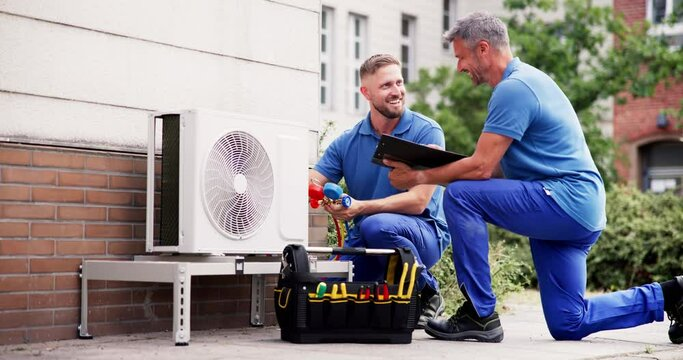
As communities expand and homes age, heating and cooling systems often face increasing demands. For homeowners in fast-growing areas, HVAC decisions are no longer just about comfort—they’re about efficiency, reliability, and long-term planning. Understanding when to repair an existing system versus when to invest in a new installation can help avoid unnecessary costs and ensure consistent indoor comfort year-round.
This article explores HVAC repair and installation from an educational standpoint, focusing on how homeowners can make informed, practical decisions as their needs evolve.
Why HVAC Systems Fail Over Time
Even well-maintained HVAC systems are subject to wear and tear. Daily operation, fluctuating temperatures, and environmental factors all contribute to gradual decline in performance.
Common reasons systems require repair include:
- Aging components such as capacitors, motors, or fans
- Reduced airflow from clogged filters or duct issues
- Electrical wear from frequent cycling
- Refrigerant-related problems affecting cooling performance
Repairs often address isolated issues, but repeated breakdowns may signal that the system is nearing the end of its effective lifespan.
Knowing When Repair Makes Sense
Not every HVAC problem calls for replacement. In many cases, a targeted repair can restore performance and extend system life by several years.
Repair is often the right choice when:
- The system is under 10–12 years old
- Issues are infrequent and clearly identifiable
- Energy bills have remained relatively stable
- The unit has been properly maintained
Timely repairs can prevent small problems from escalating into major failures, particularly during peak heating or cooling seasons.
Signs It May Be Time for a New Installation
At some point, replacement becomes the more practical and economical option. Newer HVAC systems are designed with improved efficiency, quieter operation, and advanced temperature control compared to older models.
Indicators that installation may be the better path include:
- Frequent or costly repairs within a short timeframe
- Inconsistent temperatures throughout the home
- Rising energy bills without changes in usage
- Systems that struggle to keep up during extreme weather
A new installation can provide predictable performance and reduce the stress of unexpected breakdowns.
Efficiency, Comfort, and Modern Systems
One of the most significant advantages of newer HVAC installations is improved energy efficiency. Modern systems are built to meet higher performance standards, helping homeowners manage utility costs while maintaining comfort.
Benefits often include:
- More consistent indoor temperatures
- Better humidity control
- Reduced noise levels
- Compatibility with smart thermostats
For homeowners researching regional options and service considerations, resources related to Bulverde HVAC repair and install can help illustrate how repair-versus-replacement decisions are typically approached in growing residential areas.
The Importance of Proper Sizing and Installation
An HVAC system is only as effective as its installation. Improper sizing—whether too large or too small—can lead to inefficiency, uneven comfort, and premature wear.
Professional installation typically involves:
- Evaluating home size, layout, and insulation
- Assessing ductwork condition and airflow needs
- Matching system capacity to actual demand
- Verifying safe electrical and refrigerant connections
Correct installation ensures that homeowners receive the full benefit of their investment, rather than dealing with performance issues from day one.
Planning Ahead Reduces Stress
One of the most overlooked aspects of HVAC ownership is planning. Waiting until a system fails completely often forces rushed decisions, limited options, and higher costs.
Proactive planning may include:
- Scheduling regular inspections to monitor system health
- Budgeting for future replacement before it becomes urgent
- Researching efficiency options ahead of time
- Understanding local climate demands on HVAC systems
This approach gives homeowners flexibility and confidence when it’s time to act.
A Balanced Approach to HVAC Decisions
HVAC repair and installation decisions don’t need to be overwhelming. By understanding system behavior, recognizing warning signs, and weighing short-term fixes against long-term value, homeowners can choose the path that best fits their situation.
Whether extending the life of an existing system or upgrading to a more efficient solution, informed decisions lead to better comfort, fewer surprises, and greater peace of mind. In growing communities where comfort needs evolve quickly, a thoughtful HVAC strategy is one of the smartest home investments you can make.