
Why a Glider Chair Belongs in Every Nursery and Reading Nook
Most nursery purchases are decided in a hurry, usually somewhere between the first ultrasound and the baby shower. The crib gets the most attention, the dresser gets the most measurements, and the chair in the corner is often chosen last, sometimes as an afterthought. That ordering is backwards. Ask any parent who has spent a long night rocking a fussy infant and they will tell you the same thing: the chair is where the work happens. It is where feedings stretch past midnight, where bedtime stories turn into whispered negotiations, and where a tired adult finally sits down and exhales.
A well-chosen glider changes those hours. It supports the lower back during long stretches of sitting, it moves quietly enough not to wake a sleeping baby, and it gives a small room a calm focal point instead of another piece of clutter. This guide walks through the details that separate a chair you tolerate from one you genuinely look forward to using, and it explains how to fit the right model into the space you actually have.
What Makes a Glider Chair Worth the Floor Space
The first thing to understand is that a glider chair is not simply a rocking chair with softer cushions. The mechanism underneath does the real work. Instead of tipping backward on curved runners, a glider travels on a track, so the seat moves forward and back in a smooth horizontal arc while the frame stays planted. That difference matters more than it sounds. A rocker demands that you shift your weight and brace your feet to keep it moving; a glider lets you settle into one posture and keep the motion going with almost no effort, which is exactly what you want at three in the morning.
Glide, Swivel, and Recline: Three Motions, One Seat
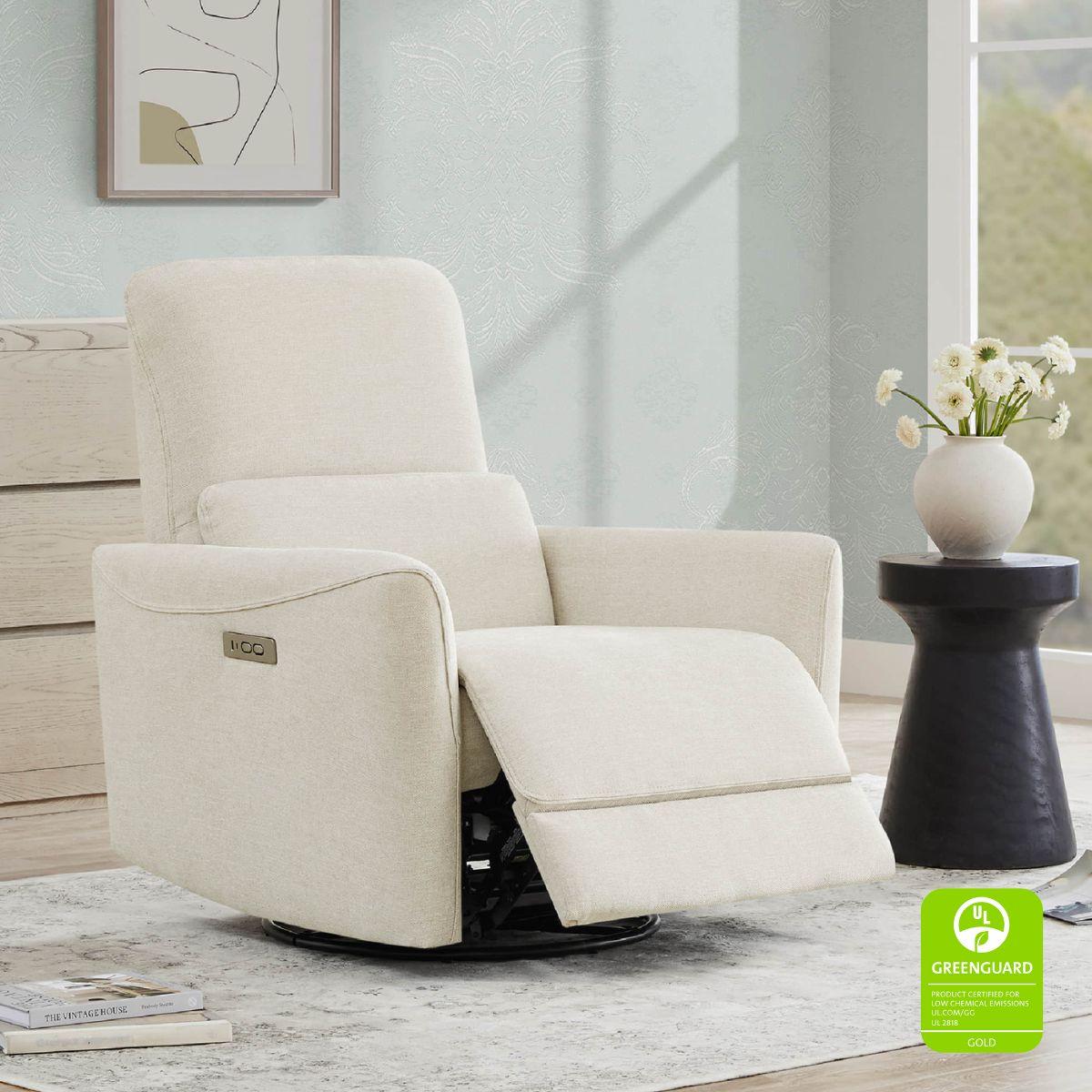
Modern designs often combine several movements in a single base. Swivel lets you turn toward the crib, the door, or a partner across the room without dragging the chair across the floor. Recline adds a backrest that leans independently of the seat, so you can read upright or sink back for a nap. When these functions work together, the chair becomes a small piece of furniture that adapts to the task at hand rather than forcing you into one fixed position. Test each motion separately before you commit, and pay attention to whether the transitions feel smooth or jerky.
Frame and Cushion Quality
Look at the frame before you look at the fabric. A solid hardwood or well-engineered metal base will hold its shape for years, while a thin particleboard frame tends to loosen at the joints and develop a wobble that no amount of tightening will fix. Cushions matter just as much. Dense foam wrapped in a soft layer keeps its loft, whereas low-density fill collapses into a shallow dent within months. Sit for at least ten minutes in the showroom or read the material specs carefully online; the seat should feel supportive rather than merely plush.
Fitting a Glider Chair Into Small and Shared Rooms
Nurseries are rarely generous with square footage, and many families need the chair to serve double duty in a bedroom or a shared living area. The good news is that gliders come in a wider range of footprints than most people expect. A compact swivel model can tuck into a corner, while a full recliner needs clearance behind it to lean back. The trick is to plan the movement, not just the resting position.
Measure the Swing, Not Just the Seat
Write down three numbers before you shop: the width of the seat, the depth of the frame, and the distance the backrest travels when fully reclined. Add a few inches of breathing room on each side so the chair does not scrape the wall. If the room has a closet door or a dresser drawer nearby, open it and confirm the chair still clears it. A chair that fits on paper but blocks a doorway will become a daily annoyance.
Light, Sightlines, and Placement
Position the chair so you can see the crib and the doorway without turning your whole body. That single choice reduces the urge to get up and check on the baby every few minutes. Keep it away from direct window glare during daytime feedings, and place a small side table within arm’s reach for a water glass, a burp cloth, or a phone charger. These are minor decisions individually, but together they determine whether the corner feels restful or cramped.
Comfort and Safety Details Parents Notice Later
Some features are obvious on day one and others only reveal their value after weeks of use. The ones that tend to matter most are the quiet ones: how the mechanism sounds, how the fabric handles spills, and whether the armrests sit at the right height for feeding. Paying attention to these now saves a lot of frustration later.
Fabrics That Survive Real Life
Performance weaves, tightly woven linen blends, and treated microfibers all resist stains better than loose natural fibers. Removable, washable covers are worth prioritizing, because the chair will collect spit-up, snack crumbs, and the occasional marker mark. Choose a mid-tone or textured fabric if the room gets heavy sunlight; pale flat colors show every shadow and smudge. If you plan to move the chair into a living room later, pick something that reads as living-room furniture rather than strictly nursery decor.
Quiet Mechanisms and Safe Edges
A glider that squeaks will wake a light sleeper, so listen carefully during a test glide. Look for sealed bearings and a mechanism that does not expose sharp metal edges near the floor. Rounded armrests and a backrest that does not pinch fingers are small details that matter once a toddler starts climbing. If the chair reclines, confirm that the footrest closes slowly and cannot snap shut.
Lighting and the Evening Routine
Think about how the chair will be used after dark. A floor lamp placed slightly behind and to one side of the glider gives you enough light to read or feed without shining into the baby’s eyes. A small clip-on light can serve the same purpose if outlets are scarce. Keep the cords routed along the wall rather than across the floor, where a tired parent might trip. These details feel minor during the day, but the nursery routine happens mostly at night, and a chair that works well in low light is the one that gets used most.
Storage Within Reach
The best glider setup puts everything you need within arm’s reach, so you do not have to disturb a sleeping baby to fetch a burp cloth. A narrow side table or a caddy that hooks over the armrest can hold a water bottle, a phone, a book, and a small basket of supplies. Choose something with a rim or a raised edge so items do not slide off when the chair moves. If the room is tight, a wall-mounted shelf above the chair keeps the floor clear while still giving you a surface to work from.
Keeping the Glider Ready for Years of Use
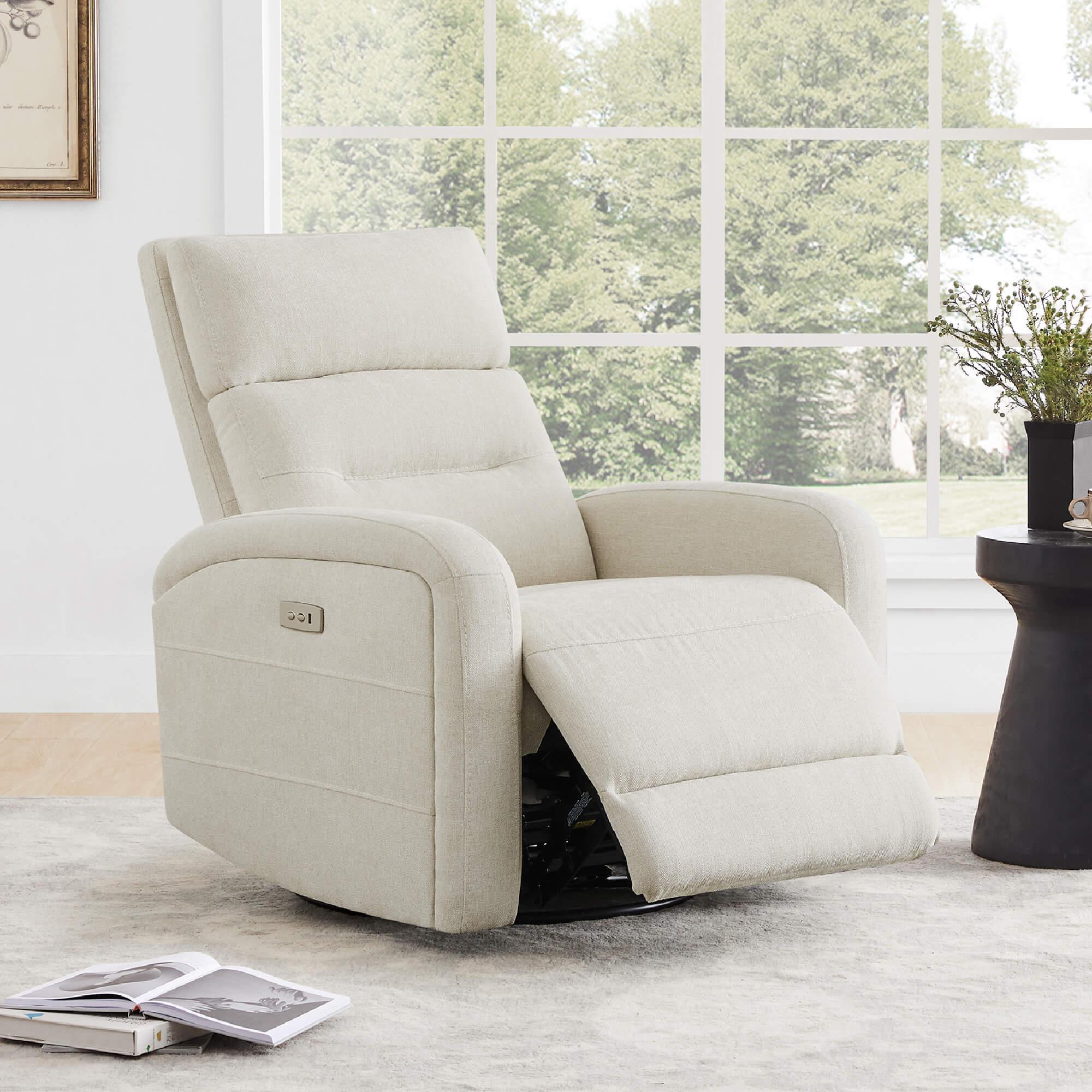
Maintenance for a glider is mostly about small habits. Vacuum the crevices between the seat and the arms every couple of weeks, since crumbs and dust collect there and work their way into the mechanism. Wipe the frame with a damp cloth rather than a soaking one, and avoid harsh cleaners that can dull a wood finish or weaken a fabric backing. Check the bolts and brackets every few months; a quick tighten prevents the slow loosening that makes a chair feel rickety.
If the chair has a power recline, keep the cord clear of foot traffic and inspect it for wear. Store the remote somewhere consistent so it does not vanish into the couch cushions. When the cushions start to flatten, a replacement insert is usually far cheaper than a new chair. Many families find that a well-built glider outlasts the nursery years entirely and ends up in a bedroom, a reading corner, or a home office, which is exactly the kind of longevity that justifies the initial investment. Brands such as CHITA LIVING design pieces with that multi-room life in mind, so the chair does not look out of place once the crib is gone.
It also helps to think about resale and hand-me-downs. A glider with a solid frame and a neutral fabric is far easier to pass along than one with a bold print or a flimsy mechanism. If you expect to move within a few years, choose a model that can be partially disassembled, since a wide recliner often will not fit through a narrow doorway in one piece. Note where the bolts and brackets are so reassembly is straightforward. Small forward planning like this keeps the chair useful across several homes and several stages of family life.
A Seat That Earns Its Place
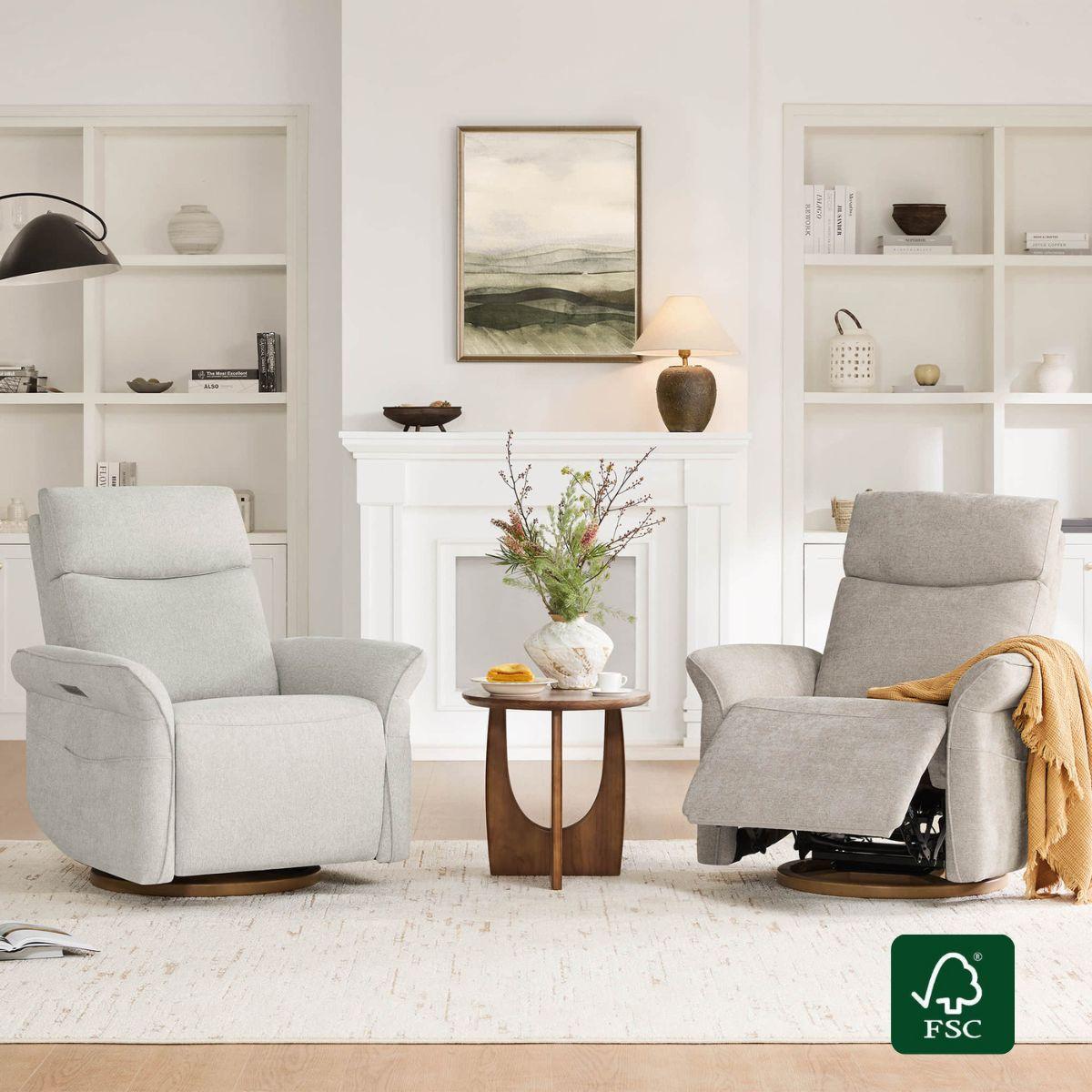
The right glider does more than fill an empty corner. It becomes the place where the hardest and softest parts of early parenthood happen, and it keeps working long after the nursery is packed away. Focus on the mechanism, the frame, and the fabric, measure the space the chair actually needs to move, and choose a design that can follow your family into other rooms. Do that, and the chair stops being a nursery accessory and becomes one of the most-used pieces of furniture in the house. The purchase takes an afternoon of planning; the payoff is measured in quiet nights and slow mornings for years to come.