
Fresh Milk: Taste the Difference of Natural Dairy
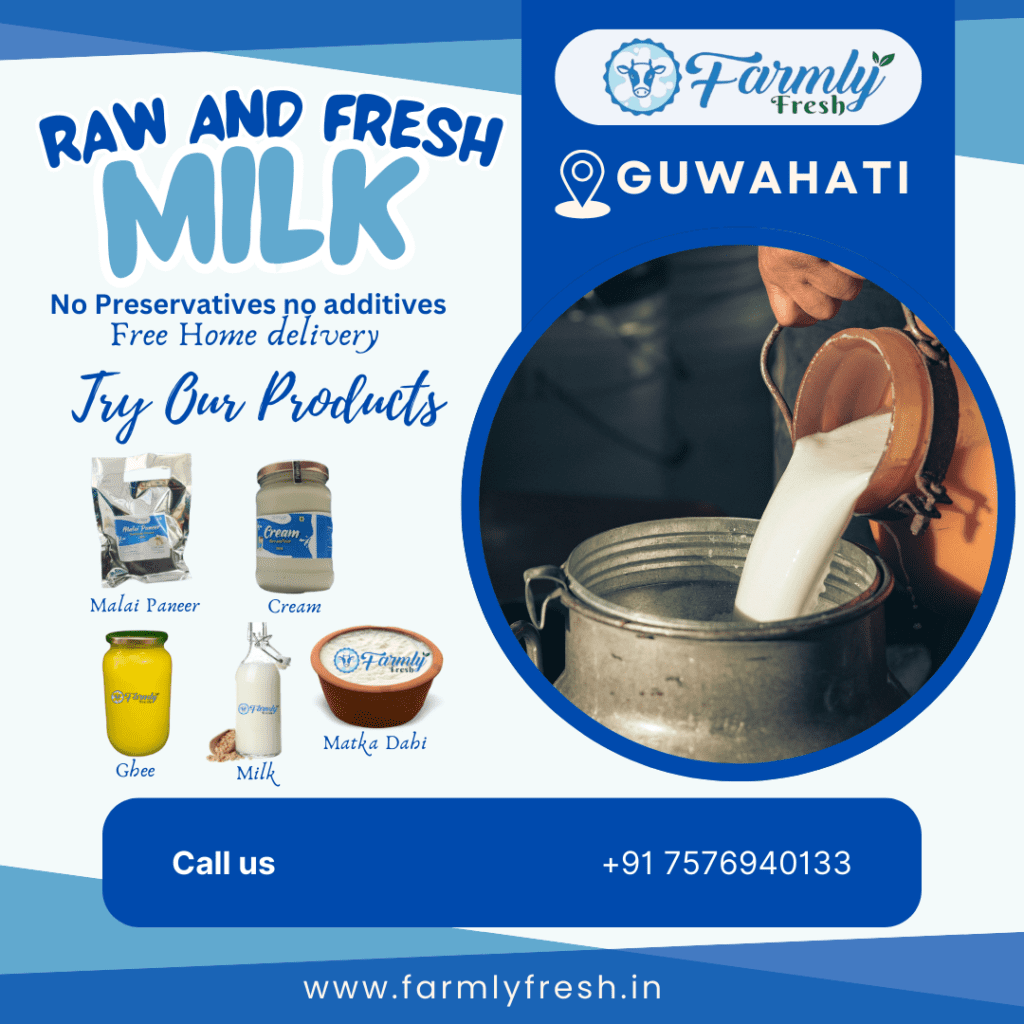
Fresh milk is more than just a beverage — it’s a natural source of nutrition and a staple in many households. Unlike processed or long-life milk, fresh milk offers a creamy texture, rich flavour, and the wholesome goodness that only nature can provide. Families worldwide choose fresh milk not just for its taste, but for its essential nutrients that support daily health.
2. What is Fresh Milk?
Fresh milk is milk collected directly from cows, buffaloes, or goats and delivered with minimal processing. Unlike UHT (ultra-heat-treated) or powdered milk, fresh milk retains its natural taste, aroma, and nutrients. Its freshness directly impacts flavour and ensures you get a product close to its natural state.
3. Nutritional Value of Fresh Milk
Fresh milk is packed with vital nutrients. It is a rich source of calcium, protein, vitamins A, D, and B12, as well as essential minerals. Regular consumption supports strong bones and teeth, aids muscle development, and contributes to overall health for children, adults, and the elderly alike.
4. Health Benefits of Drinking Fresh Milk
Drinking fresh milk daily offers multiple health benefits. It strengthens bones and teeth, supports muscle growth, and improves immunity. Fresh milk also provides sustained energy throughout the day and can assist in maintaining a healthy weight. Its natural composition makes it easier to digest for most people compared to highly processed alternatives.
5. Culinary Uses of Fresh Milk
Fresh milk is incredibly versatile in the kitchen. It can be enjoyed as a drink, used in tea or coffee, or blended into smoothies. It enhances desserts, sauces, soups, and baked goods, adding a rich, creamy texture that processed milk often cannot replicate. Even simple recipes taste better with fresh milk.
6. How to Choose the Best Fresh Milk
Selecting high-quality fresh milk is essential. Look for trusted suppliers or farm-to-home delivery services to ensure purity. Check for a natural creamy layer, fresh aroma, and avoid any signs of sourness or artificial additives. Always choose milk that has been handled hygienically and delivered fresh.
7. Storing and Preserving Fresh Milk
Proper storage is key to maintaining freshness. Keep milk refrigerated at temperatures below 5°C, and consume it within a few days of delivery. Always use clean containers and avoid leaving milk at room temperature for extended periods to prevent spoilage.
8. Why Families Prefer Fresh Milk
Families love fresh milk for its convenience, natural taste, and nutritional value. It supports daily wellness and can be incorporated into meals and beverages easily. Fresh milk ensures that every member of the family, from children to adults, receives a wholesome source of nutrition.
9. Conclusion
Fresh milk is a natural, nutritious, and delicious choice for every household. Its rich taste, creamy texture, and health benefits make it superior to processed alternatives. By choosing fresh milk, you are not just adding flavour to your meals but also investing in the health and well-being of your family. Taste the difference of natural dairy and experience the goodness in every glass.
FAQs
1. What is fresh milk?
Fresh milk is milk collected directly from cows, buffaloes, or goats with minimal processing, keeping its natural taste and nutrients intact.
2. How is fresh milk different from processed milk?
Processed milk, like UHT or powdered milk, undergoes heat treatment and may lose some nutrients and flavour. Fresh milk retains its creamy texture, aroma, and natural goodness.
3. What are the main nutrients in fresh milk?
Fresh milk is rich in calcium, protein, vitamins A, D, and B12, as well as essential minerals that support bones, teeth, and overall health.
4. Who can benefit from drinking fresh milk?
Everyone — children, adults, and the elderly — can benefit from its nutritional value, supporting growth, immunity, and energy.
5. How can I use fresh milk in cooking?
Fresh milk is versatile — it can be used in tea, coffee, smoothies, desserts, soups, sauces, and baked goods to enhance taste and texture.