
Environmental Friendliness of Transparent Flexible LED Film in Modern Display Applications
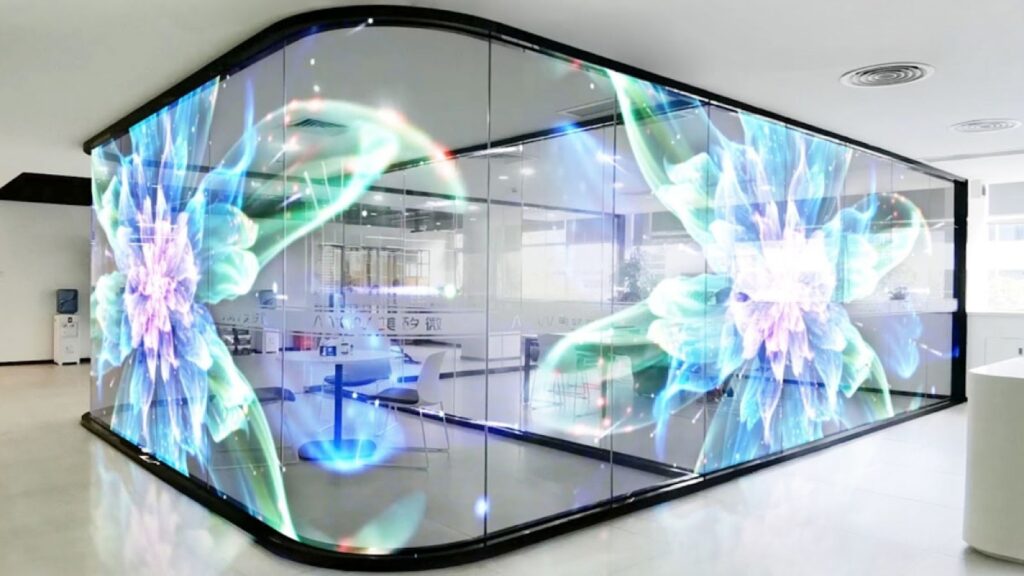
As more shops and buildings adopt environmentally friendly installation methods, transparent, flexible LED films stand out for their eco-friendly features. Compared to traditional rigid LED panels, this next-generation display medium is lighter, consumes less power, and wastes less material.
Its ultra-thin design is a key factor in its environmental value. Transparent flexible LED film typically employs micron-level circuit layouts and polymer substrates, making it weigh only a fraction of a standard LED lightbox. This lightweight structure reduces transportation emissions, reduces the structural supports required during installation, and minimizes material use. In large-scale roll-to-roll production, manufacturers can further reduce waste.
Another important factor is its exceptionally long lifespan. Because transparent, flexible LED films use stable inorganic light-emitting materials and flexible composite substrate materials, they exhibit excellent resistance to moisture, temperature, and bending stress. This reduces replacement cycles and lowers the generation of long-term electronic waste.
Lower Carbon Emissions Through Lightweight Film-Based LED Construction
The evolution from rigid LED cabinets to film-based displays changes the carbon footprint of visual communication systems. Transparent flexible LED films, created through minimal material layering and rollable production methods, significantly reduce manufacturing-related energy consumption. Because the film does not rely on metal frames, heavy PCB boards, or complex module structures, it naturally produces fewer emissions during fabrication.
In transportation, the environmental advantages are even more pronounced. Shipping a whole pallet of rigid LED modules often results in high fuel usage due to weight and packaging requirements. Transparent flexible LED film solves this by allowing large quantities to be rolled, packed, and shipped compactly. A single standard box can transport many square meters of film, cutting transportation emissions for both domestic and international projects.
On-site installation also contributes to carbon reduction. Transparent flexible LED film can be applied directly onto glass façades, acrylic surfaces, or custom-curved structures without heavy reinforcement. This eliminates the need for metal framing, ventilation systems, or extensive anchoring hardware. The simplified workflow reduces emissions associated with manufacturing secondary materials, transporting mounting accessories, and operating heavy equipment—making the film a superior choice for organizations that prioritize sustainable design.
Material Composition and Safety Standards of Transparent Flexible LED Film
When evaluating next-generation displays, safety remains a primary concern for architects, builders, and commercial clients. Transparent flexible LED film offers a clear advantage by using non-toxic, RoHS-compliant materials that are safe for indoor public environments. Each layer—conductive copper mesh, polymer substrate, LED emitters, and protective coatings—is engineered to meet stringent electrical and environmental safety standards.
One of the key safety features lies in its substrate. The transparent flexible LED film typically uses PET, TPU, or other environmentally stable polymers that emit no harmful gases and maintain structural integrity across temperature changes. This ensures the film can operate safely in high-traffic commercial settings such as malls, hotels, airports, and department stores, where user exposure standards are tightly regulated.
Electrical safety is also carefully addressed. Because the transparent, flexible LED film operates on low-voltage DC power, thermal buildup is significantly lower than that of conventional displays. The film disperses heat evenly across its surface, reducing fire risk and making it a trusted option for glass wall installations and enclosed environments. Manufacturers further reinforce safety through protective coatings designed to resist scratches, moisture, and ultraviolet exposure—allowing the film to maintain long-term visual performance without hazardous degradation.
Recycling Potential and End-of-Life Environmental Management
Commercial display projects today increasingly include end-of-life planning to ensure responsible disposal. Transparent flexible LED film supports these efforts with a design that simplifies recycling steps and minimizes hazardous waste. Because the film contains fewer metal components than traditional LED modules, disassembly requires less labor and results in a cleaner separation of recyclable materials.
The polymer substrate used in transparent flexible LED film is another environmental advantage. Unlike rigid PCB boards, flexible substrates can be mechanically separated and sorted more efficiently. Advanced recycling plants can recover copper, protective coatings, and small LED components without extensive chemical treatment, thereby lowering overall environmental impact. This makes the film a preferred choice for large-scale retail networks aiming to reduce their carbon footprint across every store.
Manufacturers are also exploring closed-loop recycling programs. Through these initiatives, unused off-cuts, replaced installations, or damaged transparent flexible LED film panels are collected and processed into reusable polymers or secondary raw materials. These programs not only reduce landfill waste but also help retailers and corporate users meet environmental certification requirements, further strengthening sustainable brand positioning.
Safety Performance of Transparent Flexible LED Film in Public Environments
From airports to shopping centers, public installations require displays that meet strict health and safety regulations. Transparent flexible LED film excels in this area thanks to its low mass, low operating temperature, and non-fragile structure. Unlike glass-based LED tiles, the film does not shatter or generate sharp fragments, providing enhanced safety in environments where accidental impact or vibration may occur.
Another safety benefit of transparent flexible LED film is its ability to withstand bending and pressure without delamination. High-strength polymer layers protect the circuitry from stress, reducing electrical faults and improving operational stability. For commercial users who require long hours of continuous operation—such as storefront windows or digital media facades—this durability ensures reliable performance without posing risks to staff or pedestrians.
Health safety is equally important. Transparent flexible LED film emits no harmful odors, produces no toxic volatile compounds, and supports fire-resistant treatments when required. These traits make it suitable for installations in schools, hospitals, exhibition halls, and enclosed indoor settings. Because the film integrates seamlessly with glass or acrylic, it also improves environmental safety by minimizing exposed wiring and eliminating bulky structures that could obstruct movement.
Reduced Light Pollution and Energy Consumption in Urban Spaces
Modern cities increasingly focus on reducing light pollution while still supporting vibrant digital signage. Transparent flexible LED film helps achieve this balance through its highly controllable brightness, wide viewing angles, and transparent design. The film allows natural light to pass through, preventing the “solid wall of light” effect seen in conventional LED screens. This creates a more comfortable visual environment for pedestrians and nearby buildings.
In terms of power usage, transparent flexible LED film benefits from its refined pixel layout and efficient LED chip design. Because fewer diodes are needed to produce images on a transparent medium, overall energy consumption remains significantly lower. This reduction is especially impactful for retail chains and office towers where displays run for extended hours every day.
The combination of low heat output and reduced energy demands further contributes to environmental friendliness. Building operators can maintain lower HVAC loads because the film produces minimal thermal radiation. Over months and years, the cumulative savings in power consumption support both environmental goals and operating budget efficiency, making transparent flexible LED film one of the most energy-aware display technologies currently available.
Long-Term Environmental Value of Transparent Flexible LED Film
Transparent flexible LED films, with their ability to reduce material usage, transportation emissions, installation complexity, and energy consumption, are a future-proof display technology suitable for future commercial buildings.
Furthermore, thanks to their stable inorganic LEDs, UV-resistant coating, and flexible polymer layers, transparent flexible LED films are more resistant to aging than many traditional display formats. A longer lifespan means fewer replacements and less e-waste, helping commercial buildings maintain environmental certifications and meet increasingly stringent regulatory requirements.
Finally, the adaptability of transparent flexible LED films ensures their competitiveness as sustainability standards evolve. Solar-compatible, with intelligent brightness control and recyclable materials, they integrate easily into next-gen green building practices.
For eco-focused retail, hotels, transport hubs, and corporates, transparent flexible LED films are the top responsible, future-proof display solutions.