
How to Keep Your Newborn Safe, Healthy, and Comfortable
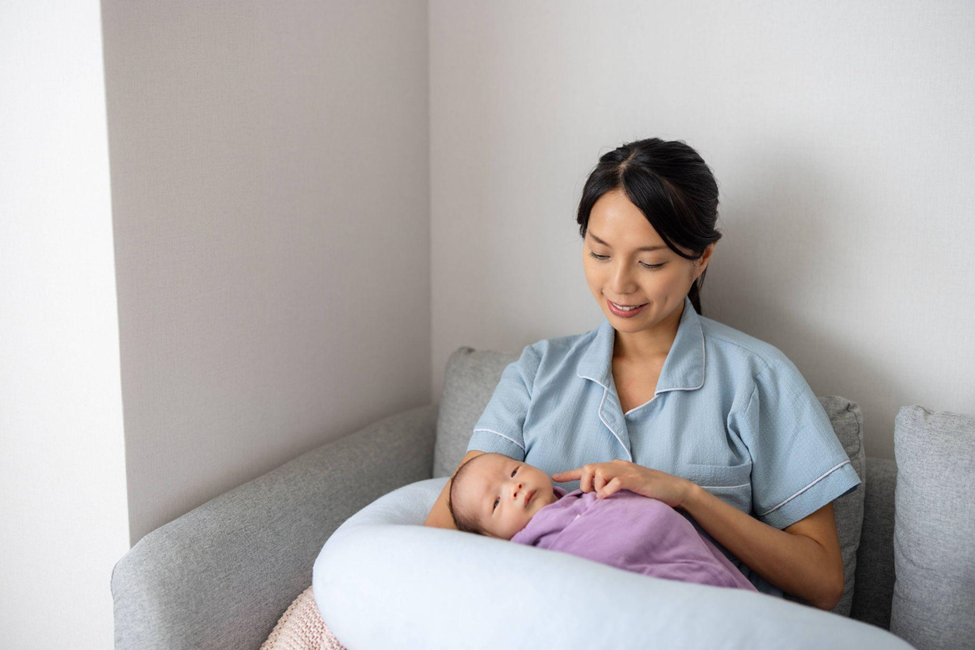
Having a baby come into the world is a significant change that brings happiness, amazement, and lots of questions. Every parent wants to make sure their baby is safe, loved, and happy from the start.
While newborns don’t arrive with instructions, a combination of trusted practices and modern support services can make caring for a newborn at home much easier. Here’s a comprehensive guide to help you care for your little one with confidence.
How Can You Create a Safe Sleep Environment for Your Newborn?
Sleep safety is essential for newborns. Always put your baby on their back to sleep. This helps lower the chance of Sudden Infant Death Syndrome (SIDS).
Pick a firm mattress with a fitted sheet, and avoid soft items like pillows, blankets, stuffed animals, or bumper pads. Keep the room at a comfortable, slightly cool temperature so your baby doesn’t overheat.
For the first few months, it’s best to keep your baby’s crib in your room, which makes nighttime checks and feeding easier.
What Should You Know About Feeding and Comfort?
Feeding is essential not just for growth, but also for bonding. Newborns usually eat every two to three hours. Look for hunger cues such as rooting, sucking fingers, or fussiness.
Whether you choose breastfeeding, formula feeding, or both, what matters is that your baby is nourished and content. Burping after feeds can help prevent gas and discomfort.
If feeding becomes challenging, perhaps due to latch issues or tummy troubles, some families find it helpful to use a Doctor at Home service. This allows a licensed physician to visit and offer guidance without the stress of traveling with a newborn.
How Often Should You Bathe and Care for Your Baby’s Skin?
Newborns don’t need daily baths; two to three times a week is enough. Until the umbilical cord stump falls off, stick to sponge baths. Use gentle, fragrance-free baby products and moisturize afterward to protect your baby’s delicate skin.
Change diapers frequently, use alcohol-free wipes, and treat diaper rash promptly with soothing creams. Allowing your baby some diaper-free time can help keep their skin healthy and irritation-free.
Is Professional Newborn Support at Home Helpful?
Regular checkups are crucial, especially in the first weeks. Babies need routine monitoring, early screenings, and vaccinations. Taking a newborn outside, especially to busy clinics, can be stressful for parents.
This is why many families prefer newborn care at home for a calmer, safer experience. This is where having a doctor come to your home becomes very helpful.
A visiting doctor can look for jaundice, feeding problems, healthy weight gain, and overall growth right in your living room. It’s an easy, stress-free way to keep track of your newborn’s health.
How Can You Establish Routines That Keep Your Baby Comfortable?
Although newborns don’t yet stick to exact routines, gentle habits can help them feel safe. Try to keep feeding, playing, and sleeping times somewhat regular.
Swaddling gives comfort and warmth, similar to being in the womb. Ensure the swaddle is tight enough but not too tight, especially around the hips.
Soothing techniques like soft lullabies, white noise, and skin-to-skin contact also help calm your baby.
How Do You Maintain Proper Hygiene for a Healthy Newborn?
Handwashing is one of the simplest and most effective ways to protect your newborn. Newborn immune systems are still developing, so clean hands are essential for everyone who touches the baby.
Sterilize bottles, pacifiers, and pumping equipment regularly. Keep your baby’s nails trimmed, and avoid exposing them to sick visitors. Simple steps like these significantly reduce the risk of infection and keep your baby healthier.
How Can You Understand Your Baby’s Signals?
Newborns show minor signs before they start talking. Knowing these signs helps you respond quickly:
- Crying: They might be hungry, uncomfortable, tired, or overstimulated.
- Yawning: They want to sleep.
- Pulling legs toward their chest: They have gas or stomach pain.
- Turning away: They are overstimulated.
As you spend more time with your baby, you’ll get better at understanding what they need.
When Should You Seek Medical Attention?
Most newborn behaviors are normal, but certain signs need quick attention. Contact a healthcare professional if your baby has:
- Fever
- Trouble breathing
- Ongoing Vomiting
- Dehydration
- Unusual rashes
- Very sleepy or unresponsive
For fast help, many families choose a Doctor at Home service, which sends expert care right to your home.
Take Care of Yourself, Too
Being a parent is both happy and hard work. Rest when you can, ask family or friends for help, and don’t hesitate to get advice from experts. A parent who has support is better able to care for their baby.
Final Thoughts
Taking care of a newborn at home requires intuition, knowledge, patience, and support. Using safe sleep practices, keeping good hygiene, being gentle, and having a doctor available for health concerns can help create a secure and caring environment for your baby. Trust your instincts, stay informed, and enjoy this special time.